

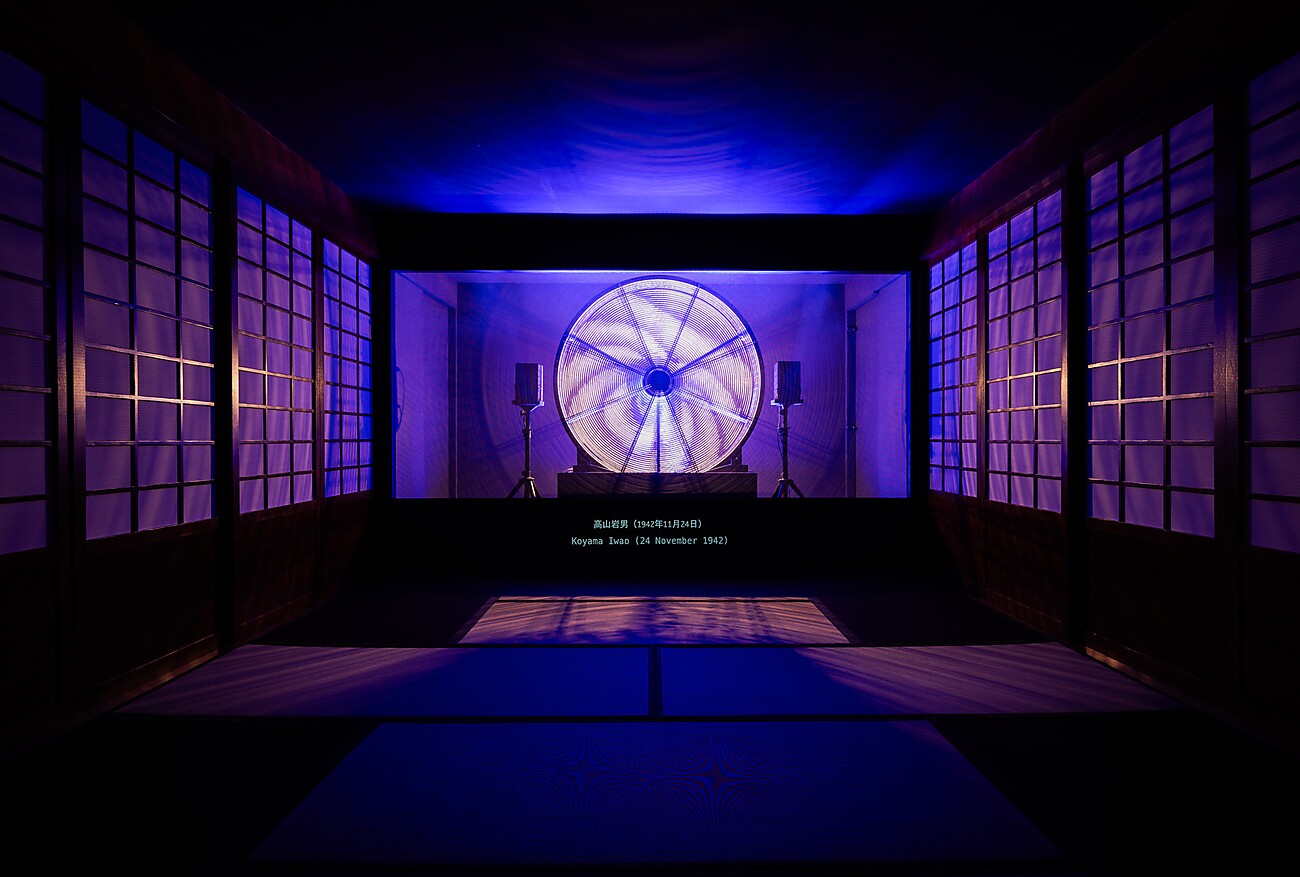
Ho Tzu Nyen, “Hotel Aporia,” 2019
ABOUT
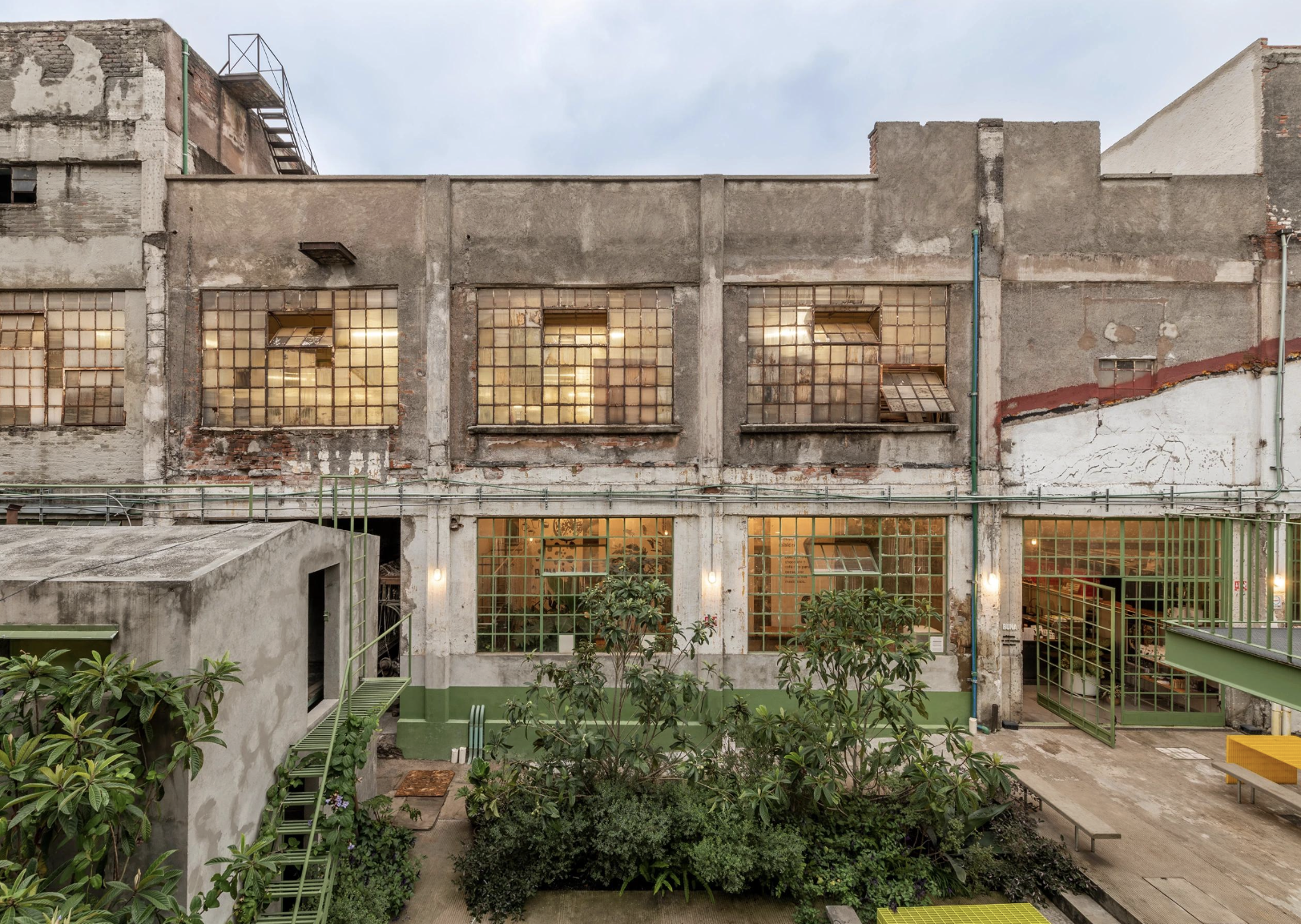
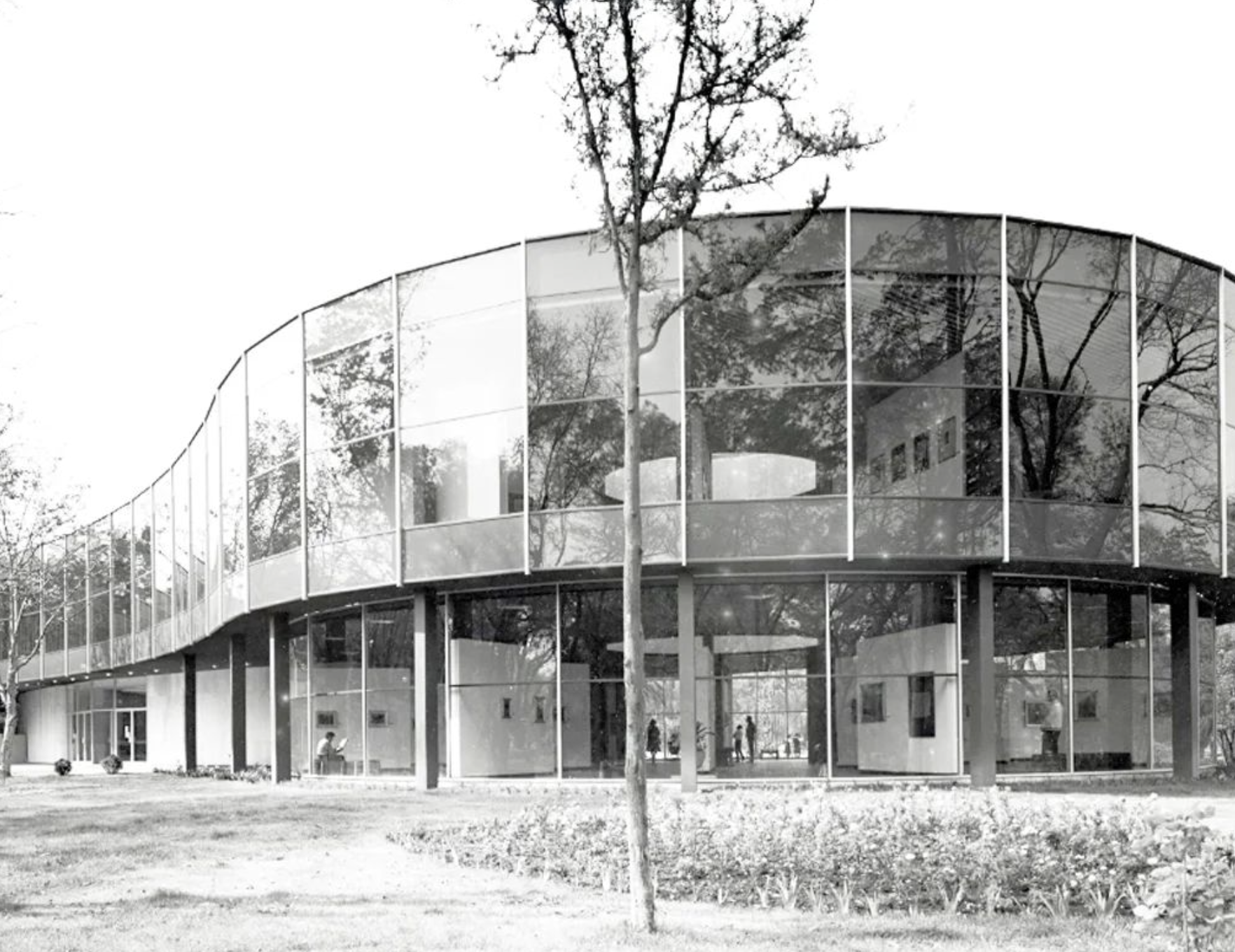
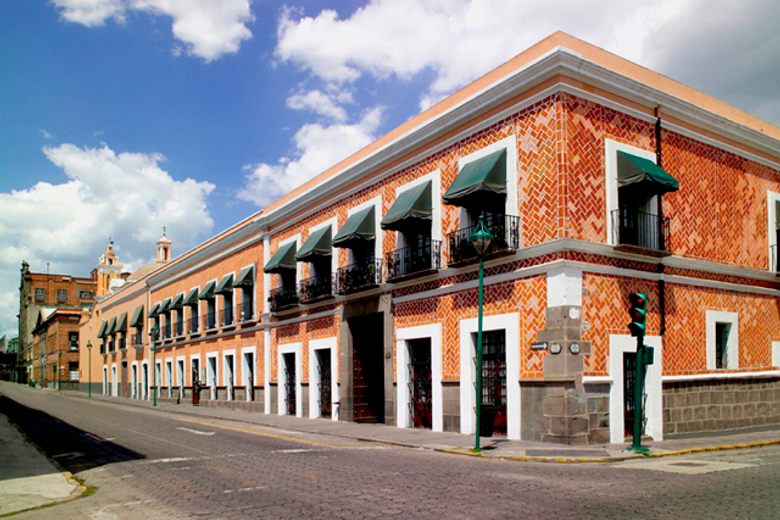
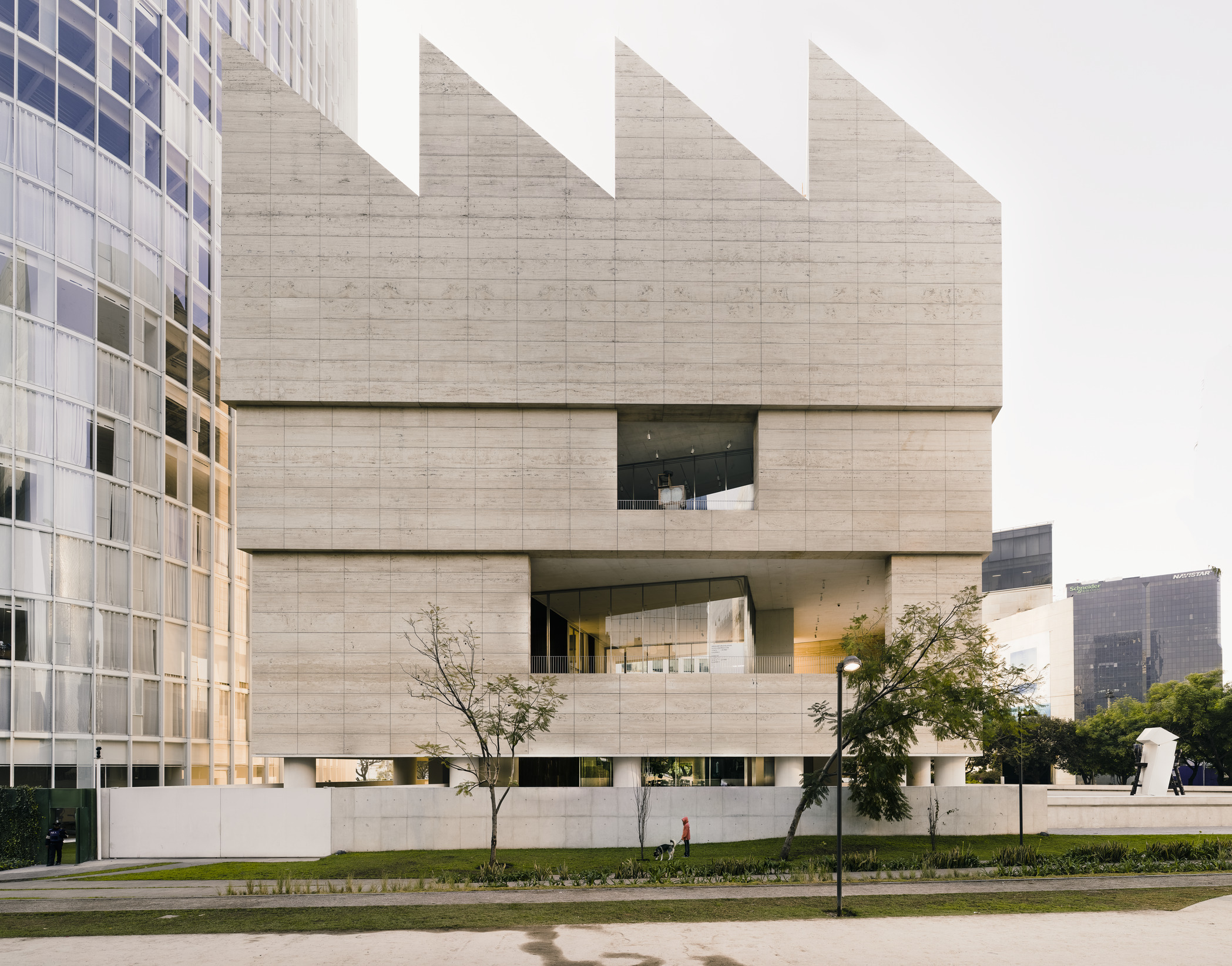
TONO announces the fourth edition of the TONO Festival across Mexico City and Puebla, Mexico. For over two weeks, from March 6-22nd, TONO will premiere a series of new and existing video installations and performance commissions and present music events and screenings with today’s leading artists at museums across both cities. Programming will take place across Casa del Lago UNAM, Museo Jumex, Museo Universitario del Chopo, Museo de Arte Moderno, Museo Casa Estudio Diego Rivera y Frida Kahlo, and La Laguna Bodega in Mexico City and Museo Amparo in Puebla.
There will be live programming by Tino Sehgal, Space Afrika, Franziska Aigner and Kelman Duran, and Kianí del Valle. There will be a TONO organized exhibition by Ho Tzu Nyen and a special project by Mexican artist Avantgardo.
TONO is working with Rafael Lozano-Hemmer on a live program on the occasion of his retrospective at Museo de Arte Moderno, as well as an event with Melanie Smith on the occasion of “Melanie Smith: Un tiempo de libertad en que el mundo había sido posible” at Museo Jumex.
TONO is continuing on its mission of collaborating with international institutions. Next year, TONO will bring dance pieces to the festival–working with 99 Canal (New York) to tour Alexa West’s “Jawbreaker” and with Dance Reflections by Van Cleef & Arpels to bring Alessandro Sciarroni and his company to Mexico City. TONO is also planning a special evening with Berlin’s Neue Nationalgalerie and has invited Kunsthalle Bangkok’s moving-image curator Rosalia Namsai Engchuan to curate a selection of works by Thai filmmakers and video artists.
******
This edition of TONO is directed by founder Sam Ozer. Fabiola Talavera serves as the assistant curator and producer. Fabiola Talavera (Monterrey, Mexico, 1995) is a curator, writer, archivist, and cultural producer based in Mexico City. She has worked with public and private institutions in Mexico, United States, Australia and New Zealand, on exhibitions, festivals, publications and research projects. In Casa del Lago UNAM she inaugurated the Poesía en Voz Alta Archive and the exhibition space Resquicio. Recent curated exhibitions include “A Flame, A Rock, Between Two Mountains” Roksana Pirouzmand at Vernacular Institute, and “Ná’ Reza [Broken Hand]” Ana Hernández at Laboratorio Arte Alameda. Since 2023, she co-curates and organizes the live broadcasted programs of Montez Press Radio in different venues of Mexico City. Her writing has been published in books, exhibition catalogues and the magazines Art in America, Purple, Elephant and Tres Tres Tres.
OUR FOUNDER
SAM OZER
Sam Ozer is a curator, producer, and writer. In 2022, she founded TONO, a US non-profit arts organization 501(c)(3) dedicated to exploring and supporting time-based artwork and the subsequent TONO Festival in Mexico.
Before TONO, Ozer held curatorial and programming roles at the Museum of Modern Art, New York and MoMA PS1, New York, where she worked on a series of installations and live performances that brought visual artists and musicians together for new collaborations. She was also the inaugural video curator for Feria Material (2022), the inaugural video curator for Zonamaco (2023) and the inaugural cinema curator for Art Baja California (2023). As an independent curator, Ozer has organized projects at museums and commercial galleries in Athens, Los Angeles, Mexico City, Milan, and New York.
She is regularly invited for talks and has presented her work at Lafayette Anticipations, Paris; LOOP, Barcelona; and for the New Centre for Research & Practice at the 59th Venice Biennale. As a writer, she regularly contributes to Artforum, The Art Newspaper, Art21, CFA, Cultured, Cura, Document Journal, Frieze, Interview Magazine, Materia, PIN-UP Magazine, and Purple Magazine, where she was the Managing Editor for Purple 41 and 42 and Editor-at-large for the Mexico City issue.
ARTIST
2026 edition
Space Afrika
Dates:
March 12
Where:
Casa del Lago

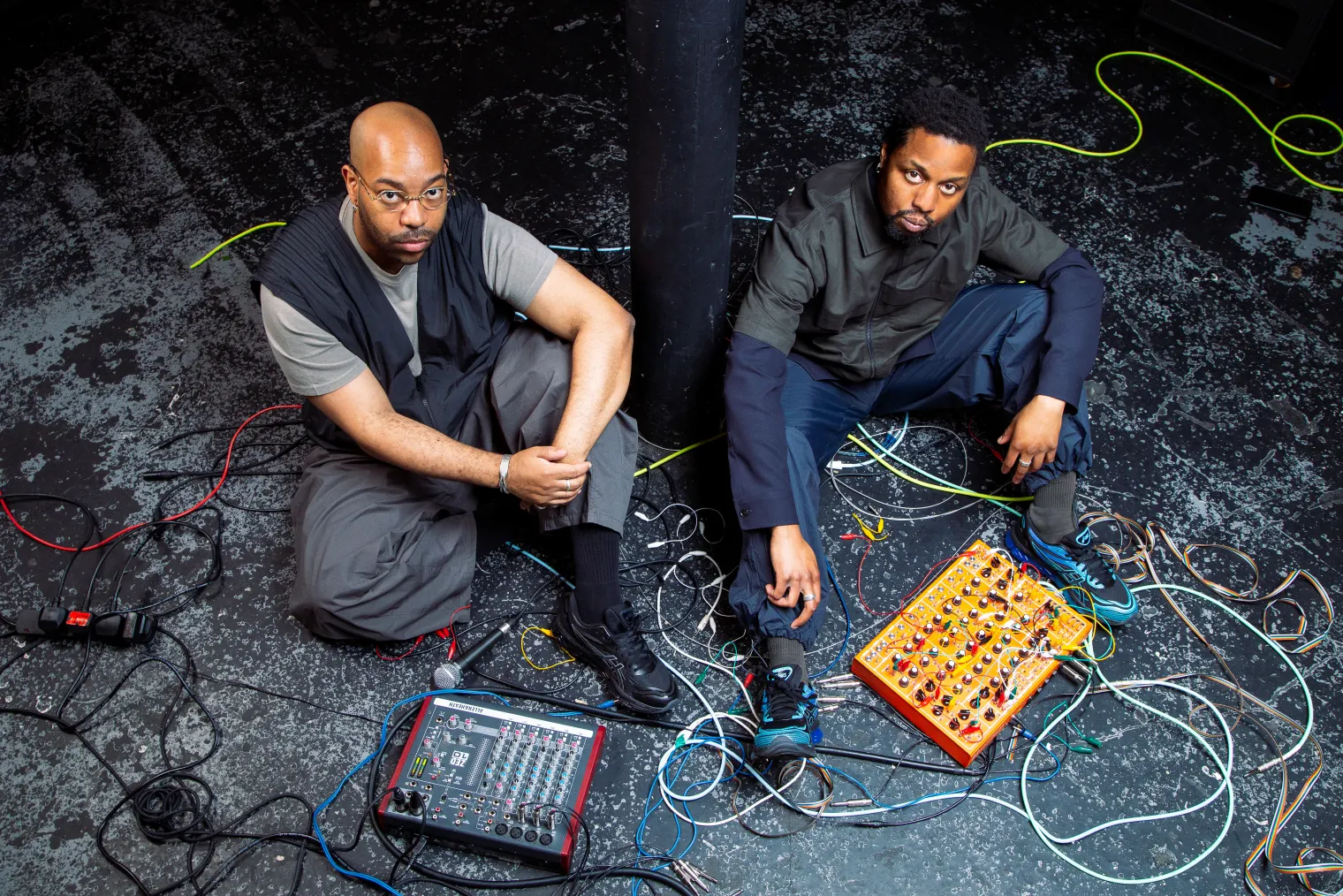
Space Afrika, innovators in electronic music, fuse UK Dance, Ambient, Alternative, Trip-hop, Pop, Modern Classical, and Experimental genres. As producers, contemporary composers, visual artists, performers, and NTS Radio hosts, they are renowned for their genre-defying sound. The duo, comprised of Josh Inyang and Joshua Tarelle Reid, have released two critically acclaimed albums: Somewhere Decent To Live (sferic, 2018) and Honest Labour (Dais Records, 2021), the latter topping Resident Advisor’s Album of the Year chart and earning DJ Mag nominations for Best Live Act and Best Album. In 2021, Space Afrika expanded into film with Untitled (To Describe You), a collaboration with Tibyan Mahawah Sanoh, exploring their working-class Black British reality in Northern England. Their live performances gained further recognition, being named one of Mixmag’s Top 15 Live Acts of 2022 and featured on BBC Radio 1, BBC Radio 6, and BBC Radio 3 Late Junction. They have performed at major venues and festivals across Europe and North America, including Gladstone Gallery (US), Southbank Centre (UK), and Berlin Atonal (DE). In 2023, the duo signed with Warp Publishing and appeared on the cover of The Face Magazine’s “The Sound of England” issue.
Franziska Aigner (FRANKIE)
Dates:
March 19
Where:
Casa del Lago
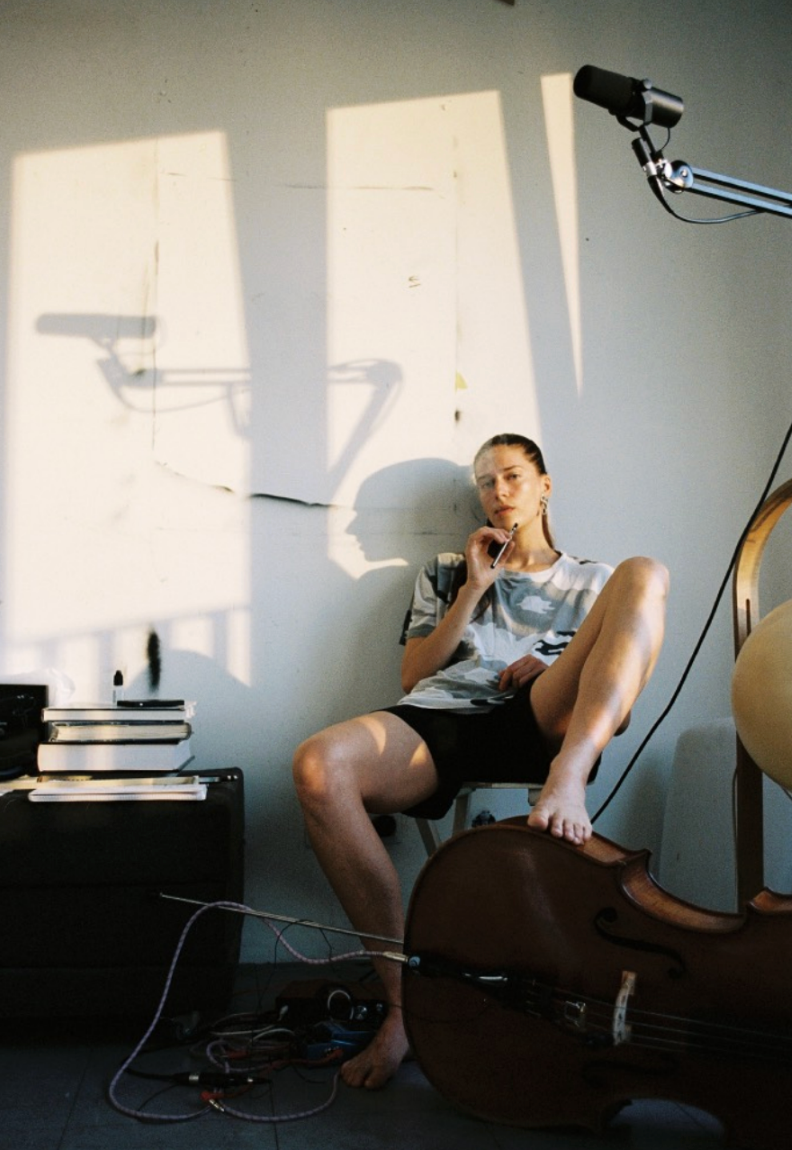
FRANKIE or Franziska Aigner works at the intersection of music, performance, and philosophy. After studying at P.A.R.T.S., the school for choreography and dance in Brussels directed by Anne Teresa De Keersmaeker, she worked with Anne Imhof on the performances Deal, Rage, Angst and Faust (awarded the Golden Lion at the Venice Biennale 2017) and Natures Mortes, as well as performing for William Forsythe, Mette Ingvartsen, Alexandra Bachzetsis and others. Her own works have been shown at Kunstenfestivaldesarts/Brussels, Die Liste/Basel, Theatre de la Bastille/Paris,The Place/London, brut/Vienna, HAU/Berlin etc. In 2019 the music for Faust (by Anne Imhof, Billy Bultheel, Franziska Aigner and Eliza Douglas) was released on the Berlin label PAN. Furthermore, Franziska Aigner was part of the Holly Herndon vocal ensemble, with whom she toured internationally. She performs her solo project (cello and vocals) under the name FRANKIE. Her two solo EPs STYX (2022) and HEAVEN/HELL (2023) were released on the label Shadow World. The EP Angelwhack together with Viola player Battle-Ax (Beatrix Curran) was released on Superpang in 2025. She stars in the feature film City Child (2025), directed by Austin Jack Lynch.
Avantgardo
Dates:
March 22
Where:
Museo Casa Estudio Diego Rivera y Frida Kahlo

Avantgardo (Christian Aguilera) lives in Mexico City. His work is concerned with the commodification of subjectivity, the violence within advertisement, and the spirituality inherent to consumption. He designed and hosts an aviation-themed bar called Business. His work has been recently shown at Salón Acme, Material Art Fair, Basel Social Club, and General Expenses which represents him. Avantgardo’s work is part of the Taschen Collection, Servais Family Collection, and Fundación Jumex.
Kelman Duran
Dates:
March 19
Where:
Casa del Lago
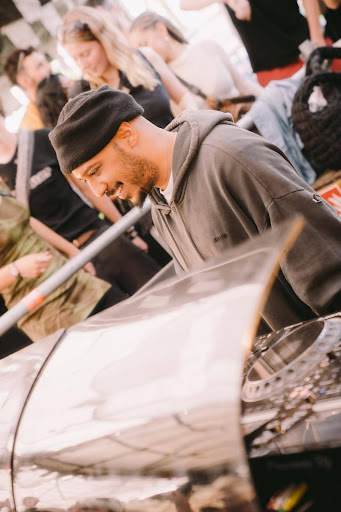
Kelman Duran is best known for his production and songwriting contributions to opening track “I’m That Girl” and “Heated” from Beyoncé’s 2022 album Renaissance, as well as his scoring work on 2022 film Rodeo. [Duran has created original edits and mixes for NTS Radio in London and has a monthly show titled EDITS. Duran was a Resident DJ at RAILUP, a monthly underground party in Los Angeles. Duran has performed at Mustache Mondays (LA), UNSOUND (PL), Le Guess Who? (Utrecht), ELECTRIFY 17 (Budapest), The Hammer Museum, MOCA in Los Angeles, No Sesso’s Club Night, PS1, Haus Der Kunst, and the Tate Modern in London. In terms of music, Duran released 1804 Kids in 2017 through Hundebiss Records in Milan. His 1st long form album was released in December of 2018 through Apocalipsis Records in New York, which was #28 on FACT magazine’s best albums of 2018 and #9 on Boomkat’s Top Releases of 2018. Ghost Ryder will debut in June of 2025. Duran produced “Bacardi Papi” for VV Pete which won FBi Radio’s SMAC Award for Next Big Thing in 2025 in Australia.
Rosalia Namsai Engchuan
Dates:
March 11th & 18th
Where:
Museo Amparo, Puebla
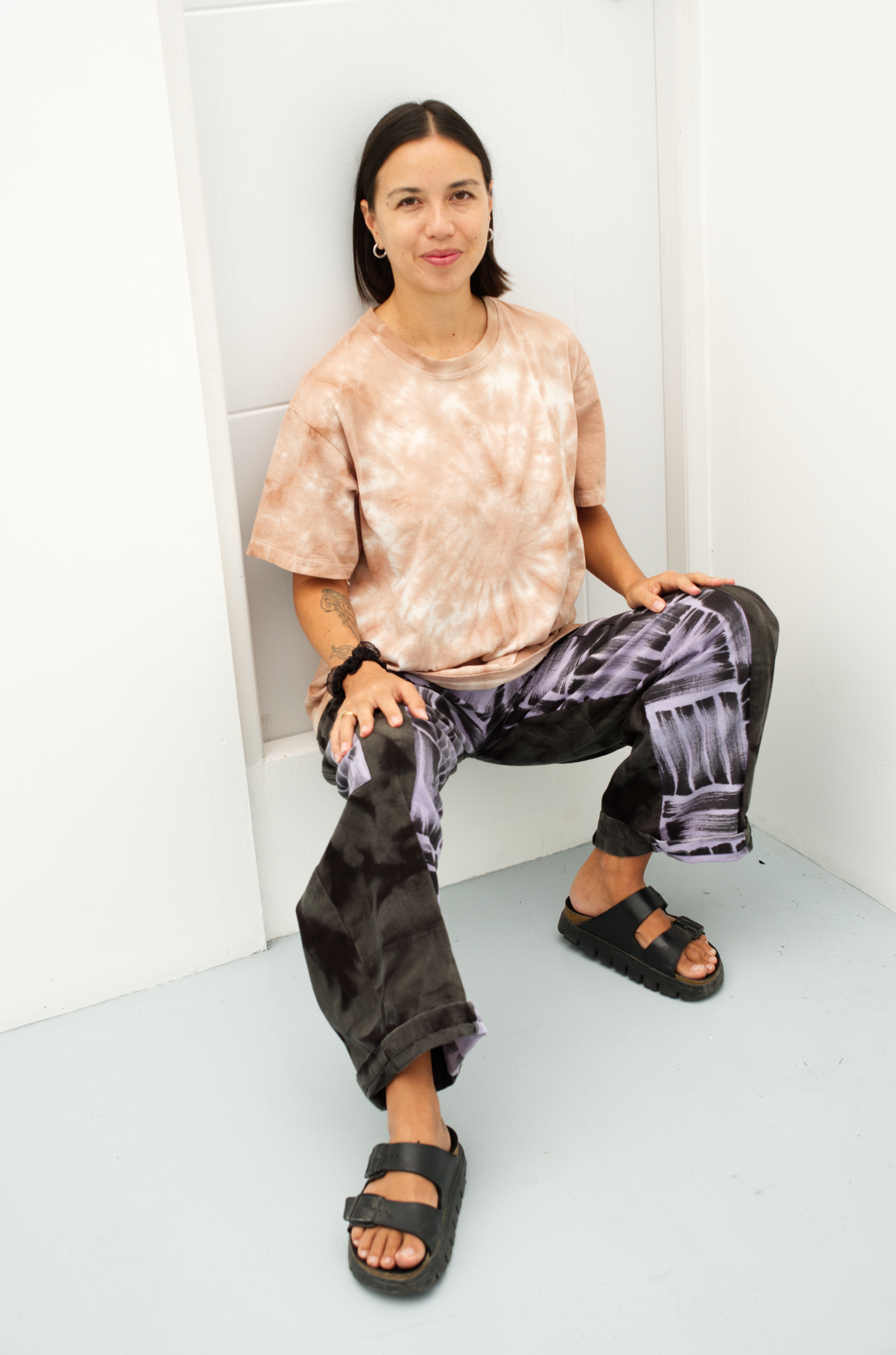
Rosalia Namsai Engchuan is an artist, curator, and researcher whose practice is rooted in long-term inquiry and unfolds across moving image, installation, writing, and collaborative processes. Her work engages ritual, multispecies perspectives, queer theory, and more-than-human methodologies to explore questions of justice, care, and futurity. She holds a PhD from the Max Planck Institute for Social Anthropology and Friedrich-Alexander University, where her research examined cinema’s social-transformative potential through collective practices. Her writing on Asian femininities, contemporary art, visual culture, and epistemic violence has appeared in CONG, Afterall, and Mousse Magazine. She has lectured internationally at institutions including Harvard University, Cornell University, NYU Tisch School of the Arts, Sandberg Institute, and HKB Fine Arts. Rosalia is currently leading the Moving Image Program at Bangkok Kunsthalle, where she founded the Futures Observatory. She has guest-curated programs for the St. Moritz Art Film Festival and Festival Film Dokumenter (FFD), Yogyakarta, and has worked with the Berlin-Bangkok based collective unthaitled across multiple exhibitions and festivals. In 2021, she was a Goethe-Institut Fellow at Hamburger Bahnhof – Museum für Gegenwart – Berlin.
Eli Keszler
Dates:
March 20
Where:
Museo de Arte Moderno

Eli Keszler is a Grammy-nominated artist, composer, and percussionist based in New York, acclaimed for his innovative solo recordings released through labels such as LuckyMe, Shelter Press, Empty Editions, ESP-DISK’, PAN, and REL Records. In film, Keszler has composed over ten original scores, including Olmo Schnabel’s Pet Shop Days(2023), starring Willem Dafoe and Emmanuelle Seigner, which premiered at La Biennale di Venezia; Paul Schrader’s upcoming film The Basics of Philosophy; and his contribution to Daniel Lopatin’s score for the Safdie Brothers’ Uncut Gems (2019). As a composer, Keszler has been commissioned by renowned institutions and ensembles, including the Icelandic Symphony Orchestra, ICE Ensemble, Brooklyn String Orchestra, and So Percussion. His collaborative work spans a wide range of artists, including Oneohtrix Point Never, Wadada Leo Smith, Skrillex, Laurel Halo, Jordan Wolfson, Kevin Beasley, Rashad Becker, Laure Prouvost, and David Grubbs. Keszler’s artistic reach extends internationally, with his music, installations, and visual works presented at institutions including the Whitney Museum, Cologne Philharmonie, Lincoln Center, MIT List Center, Victoria & Albert Museum, Museum of Modern Art, Sculpture Center, The Kitchen, Hessel Museum, Harvard’s Carpenter Center for the Visual Arts, Barbican–St. Luke’s, Walker Art Center, LAXART, and MoMA PS1.
Montika Kham-on
Dates:
March 11
Where:
Museo Amparo, Puebla
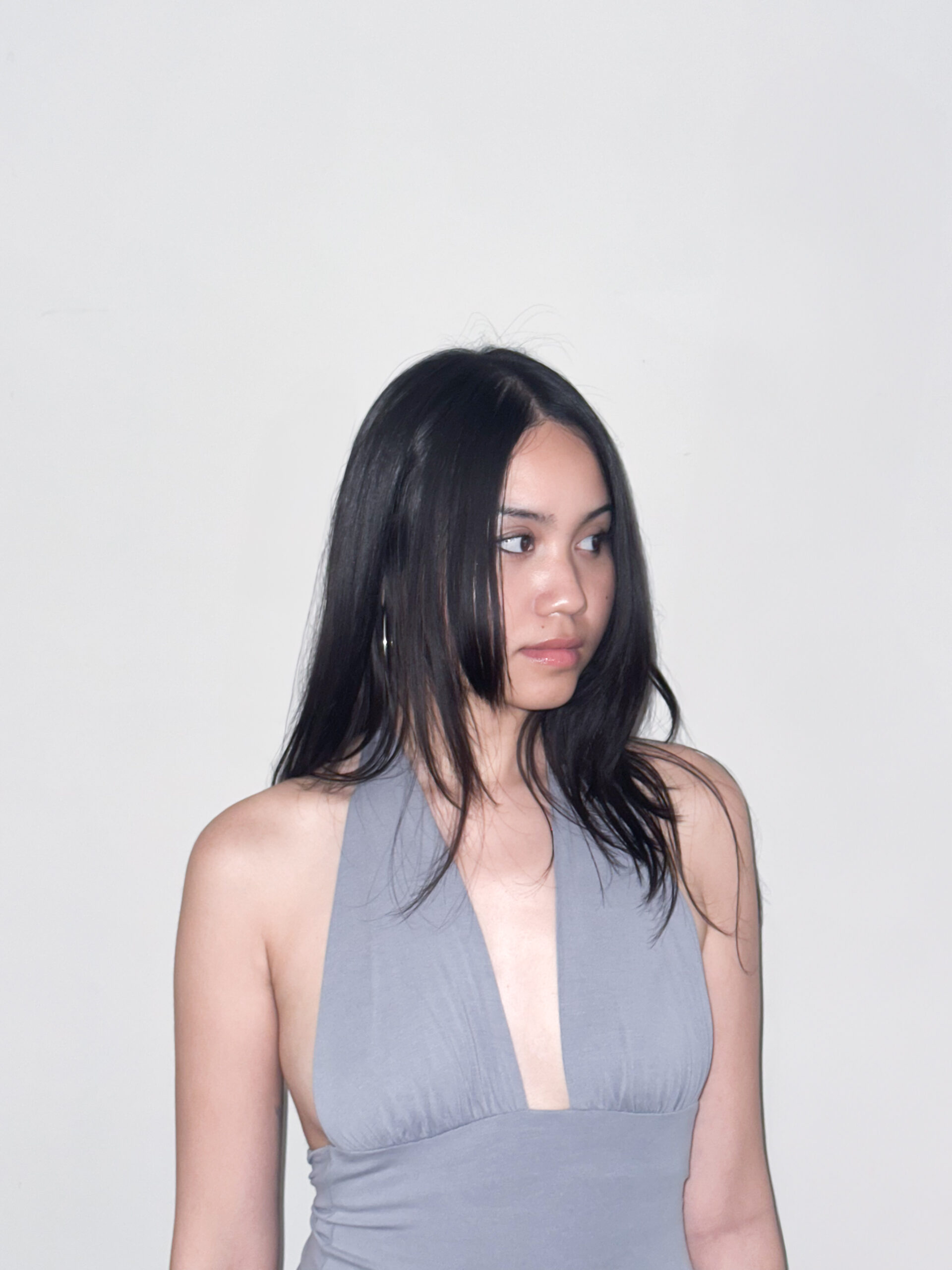
Montika Kham-on is an artist and filmmaker working between Berlin and Bangkok. She explores her practice across various mediums including video, performance, installation, and sculpture. Her work investigates collective fear, speculative futures, and the struggle over definitions outside dominant narratives, centering emotional landscapes and embodied knowledge. Her works question traditional cinematic structures, developing post-tropical forms of thinking and acting that redefine emancipatory imagination and anticipate liberated futures.
Her recent works have been presented in exhibitions and screening programs across Asia and Europe, including Transmediale Berlin and ArtScience Museum Singapore. Her recent work, Afterlives (2025), imagines a post-tropical future and was commissioned by GHOST:2568. Beyond her video practice, Kham-on founded Phimailongweek, a site-specific art festival supporting emerging artists through experimental, context-responsive practices. She is the recipient of a DAAD scholarship (Deutscher Akademischer Austauschdienst) and is pursuing a Master’s degree at the Berlin University of the Arts (Universität der Künste Berlin).
Jeanne Penjan Lassus
Dates:
March 18
Where:
Museo Amparo, Puebla
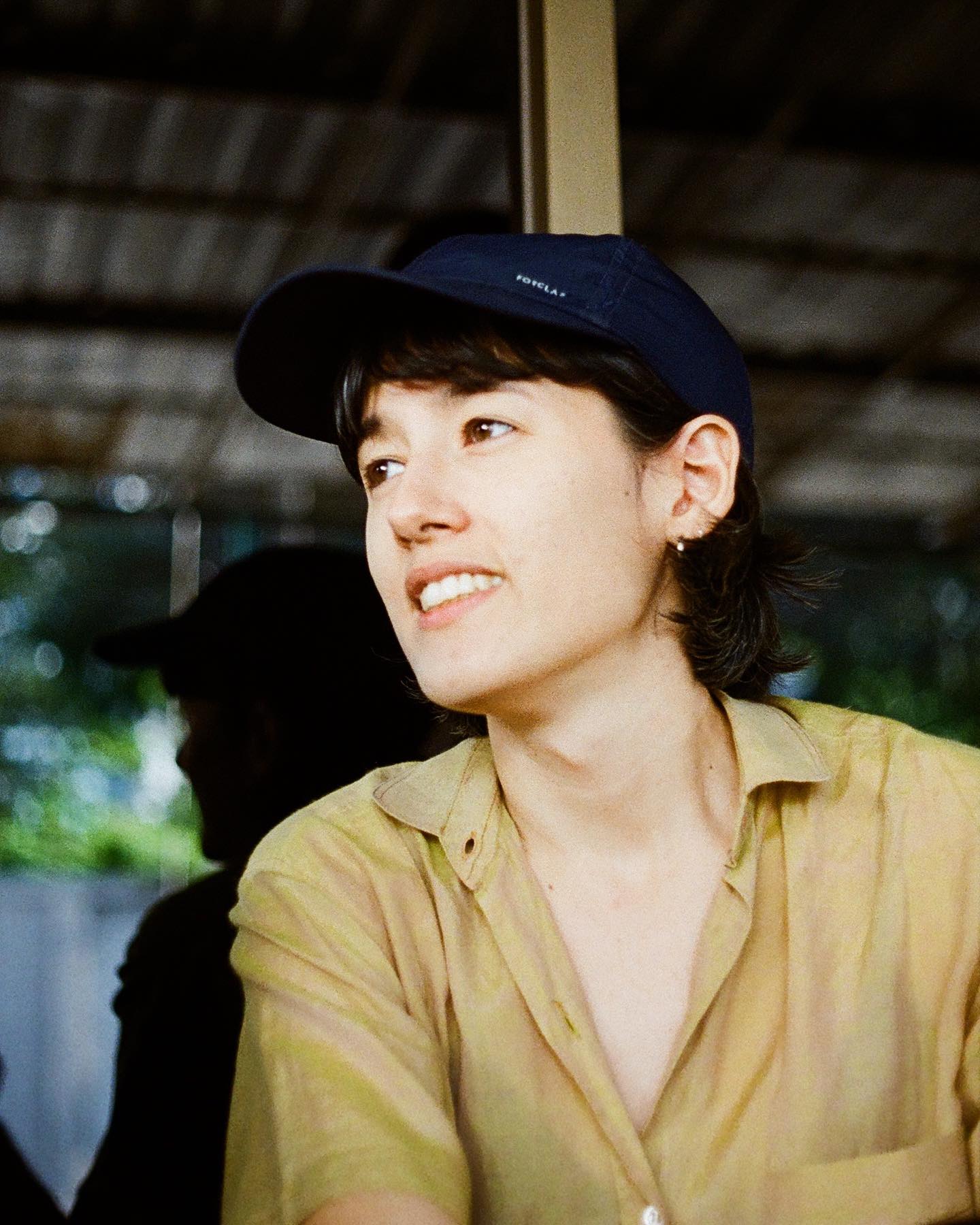
Jeanne Penjan Lassus is an artist and filmmaker based in Bangkok. Their works draw from reflections on sensory perceptions and porosity of spaces and bodies. Enquiring how we – humans and other beings – sense and make sense of our environments, Lassus’ practice focuses on how our perceptions shape our experiences, languages, and the way we move and extend into space.
Lassus’ work has been shown in various festivals and art spaces, most notably Ghost 2568–a video and performance arts series; the 7th Bangkok Experimental Film Festival; EXiS Experimental Film and Video Festival in Seoul; the Alserkal Arts Foundation Dubai; and Bangkok Arts and Culture Center. They participated in the Ocean Fellowship 2020, organized by TBA21, and have received the Alserkal Art Foundation Research Grant 2020 and the Bangkok Art and Culture Center’ Early Years Projects Residency Grant 2019.
Rafael Lozano-Hemmer
Dates:
March 20
Where:
Museo de Arte Moderno (MAM)

Rafael Lozano-Hemmer (b. 1967, Mexico City) is a media artist working at the intersection of architecture and performance, creating participatory works with technologies like robotic lights, digital fountains, and telematic networks. His light and shadow installations have been called “antimonuments for alien agency.”
He was the first artist to represent Mexico at the Venice Biennale (2007) and has exhibited at major biennials worldwide. His public commissions include the Millennium Celebrations in Mexico City, the Vancouver Olympics, and the Guggenheim Abu Dhabi pre-opening. Collections holding his work include MoMA, Guggenheim, Tate, SFMOMA, and Jumex.
Awards include two BAFTAs for Interactive Art, a Golden Nica, Wired’s “Artist of the Year,” and the Governor General’s Award (Canada). Recent solo exhibitions include the Hirshhorn Museum, Musée d’Art Contemporain de Montréal/SFMOMA, Crystal Bridges Museum (“Listening Forest”), PACE Gallery New York, and Abu Dhabi (“Translation Island”). Notable projects include “Atmospheric Memory” and “Border Tuner,” connecting participants across the US-Mexico border via light.
Oat Montien
Dates:
March 11
Where:
Museo Amparo, Puebla

Oat Montien (b. 1989) (he/him/they/them) is among Thailand’s most prominent queer artists. Montien was born in Bangkok, where his mother ran a successful brothel. Growing up around sex workers, he managed the lighting for their erotic shows. This experience is manifested in his works where he uses eroticism as poetic allegory for the complex experience of marginalized identities. his works span across various media including writing, drawing, moving image, site specific installation and performance.
In 2022, he was selected as first Southeast Asian artist for the residency program at the iconic Tom of Finland Foundation (LA).
Montien also founded the Boddhisattava Gallery, the first art space in Bangkok exclusively dedicated to South East Asian queer artists. In 2025 he was featured in Thailand Biennale 2025 and won “Pride Value Artist of the Year” award by Bangkok Pride for his contribution for Thai art and activism scene.
Ho Tzu Nyen
Dates:
February 27th - April 27th This exhibition will extend beyond the dates of TONO Festival 2026
Where:
Museo Amparo, Puebla

Born in 1976 in Singapore, where he lives and works.
Rooted in the histories, mythologies and political impulses of Southeast Asia, Ho Tzu Nyen’s multilayered audiovisual practice fuses scripted narratives and machine learning to shape environments that mine the region’s colonial legacies, their spirits of resistance and their strategies of ambiguity.
One-person exhibitions of his work have been held at Hamburger Kunsthalle (2025), LUMA Arles (2025), Mudam Museum of Modern Art (2025), Hessel Museum of Art (2024), Art Sonje Center (2024), Museum of Contemporary Art Tokyo (2024), Singapore Art Museum (2023), Hammer Museum (2022), Toyota Municipal Museum of Art (2021), Crow Museum of Asian Arts (2021), Yamaguchi Center for Arts and Media [YCAM] (2021), Edith-Russ-Haus for Media Art (Oldenburg, 2019), Kunstverein in Hamburg (2018), Ming Contemporary Art Museum [McaM] (Shanghai, 2018), Asia Art Archive (2017), Guggenheim Bilbao (2015), Mori Art Museum, (2012), The Substation (Singapore, 2003). He represented the Singapore Pavilion at the 54th Venice Biennale (2011).
Ho Tzu Nyen has been appointed Artistic Director of the 2026 Gwangju Biennale.
Photo by Stefan Khoo. Courtesy of a+ Singapore.
Tulapop Saenjaroen
Dates:
March 11
Where:
Museo Amparo, Puebla

Born in Chon Buri, Thailand, Tulapop Saenjaroen is an artist and filmmaker whose practice encompasses moving image, performance, and sound. His recent shorts interrogate the relationship between image production and the formation of subjectivity, as well as the paradoxes between control and freedom under late capitalism. Working through narrative, animation, and essay film, he explores themes such as tourism, self-care, mental illness, free labour, power relations in storytelling, metaphysical rupture, and cinema itself through processes of re-making and re-interpreting images and their networks.
Saenjaroen’s works have been shown internationally including Berlinale, Locarno Film Festival; New York Film Festival; Cinéma du réel, Paris; MoMA doc fortnight; DOK Leipzig; IFF Oberhausen; IFFR; European Media Art Festival; Carpenter Center, Harvard; REDCAT, Museum of the Moving Image, NYC; Ghost 2565: Live Without Dead Time; Abandon Normal Devices; e-flux screening room; M+, etc.
Saenjaroen lives and works in Thailand.
Alessandro Sciarroni
Dates:
March 17th & 18th
Where:
Museo Universitario del Chopo UNAM

Since 2007, Alessandro Sciarroni has been designing productions that blend performing and visual arts. Trained in fine arts and boasting extensive on-stage experience, he takes a conceptual and theatrical approach, incorporating techniques and practices derived from dance and related disciplines, including sports and circus arts. His works are grounded in the repetition of practices that try dancers’ physical endurance in an attempt to reveal the obsessions, fears, and fragility of performance. This process seeks to create a new time dimension and a bond of empathy between performers and spectators. A contributor to various international artistic projects and networks, Alessandro Sciarroni is regularly invited to present his pieces all over the world. He was awarded the Golden Lion for Lifetime Achievement in Dance at the 2019 Venice Biennale Danza. Alessandro Sciarroni is Associated Artist of MARCHE TEATRO.
Tino Sehgal
Dates:
March 6th, 7th, 8th, & 10th
Where:
Museo Casa Estudio Diego Rivera y Frida Kahlo & Casa De La Acequia

Tino Sehgal es un artista de ascendencia alemana e india que reside en Berlín. Reconocido como uno de los artistas más importantes de su generación, el éxito de crítica de Tino Sehgal se debe a su práctica artística radical, que adopta la forma de «situaciones construidas»: encuentros en vivo entre los visitantes y quienes interpretan la obra. Su belleza efímera reside en la fugaz especificidad del encuentro, en el que los intérpretes suelen involucrar a los visitantes para que participen activamente en la construcción de la pieza. El abandono por parte de Sehgal de la producción material en favor de la experiencia vivida se logra, no obstante, con una sensibilidad hacia las consideraciones clásicas de forma, composición y espacio, fundamentadas no solo en la historia de la danza, sino también en las tradiciones occidentales de la escultura y la instalación.
Su obra ha sido ampliamente expuesta en importantes museos internacionales, incluyendo exposiciones en el Museo De Pont, Tilburg (2025); el Centro Botín, en Santander (2023); el Museum der bildenden Künste, en Leipzig; y Tai Kwun, en Hong Kong (2021); entre otros. Sehgal ha participado en notables exposiciones colectivas, como la XII Bienal de La Habana (2015); la 55.ª Bienal de Venecia (2013, donde recibió el León de Oro); Documenta 13, Kassel, Alemania (2012); la 9.ª Bienal de Shanghái (2012); la 8.ª Bienal de Gwangju (2010); la 4.ª Bienal de Berlín (2006); la 51.ª Bienal de Venecia (2005); y Manifesta 4, Fráncfort (2002).
Chulayarnnon Siriphol
Dates:
March 11
Where:
Museo Amparo, Puebla
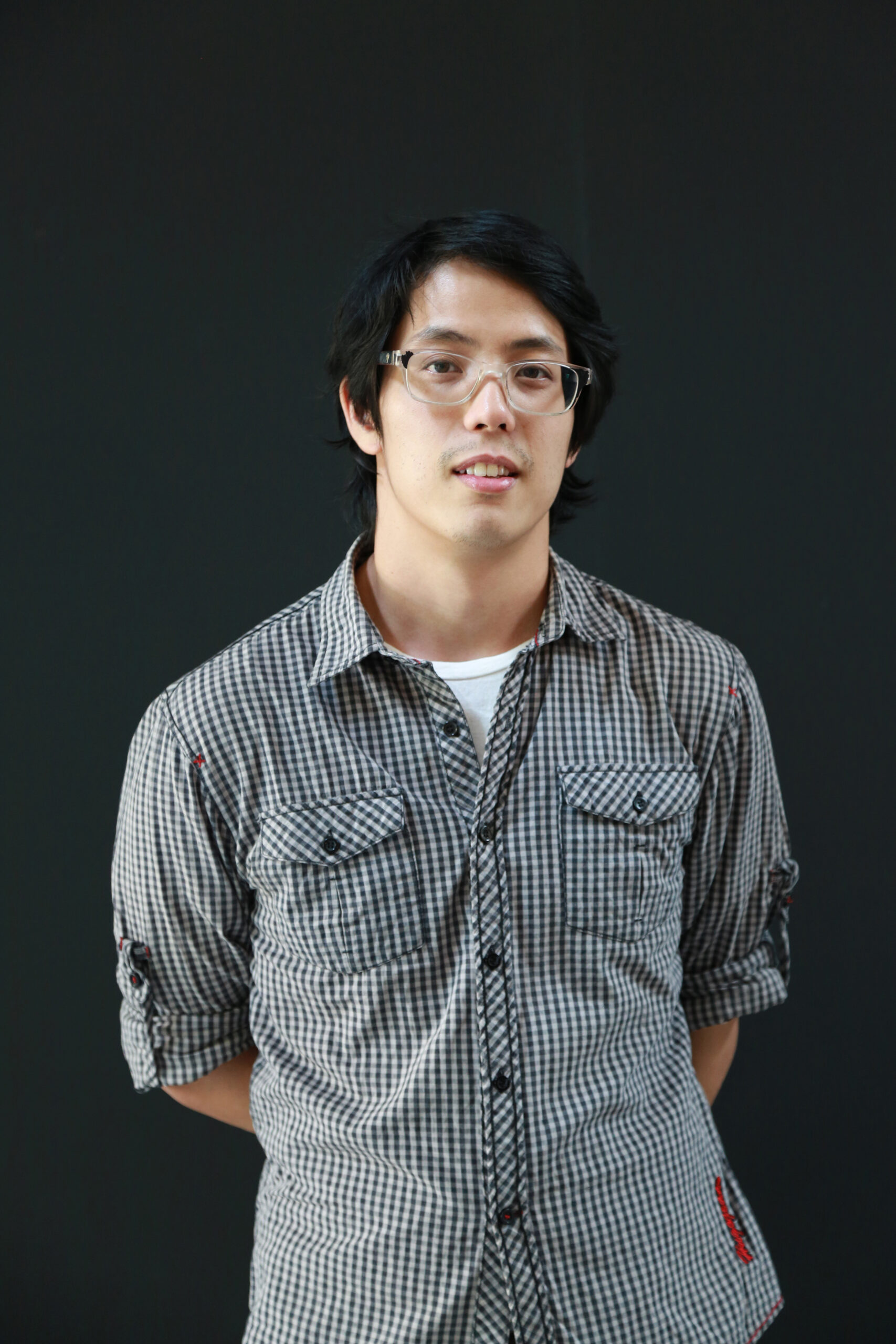
Chulayarnnon Siriphol (b. 1986) is an artist, filmmaker, and lecturer at the School of Digital Media and Cinematic Arts, Bangkok University, whose works explore fragments of history in and beyond Thai society. His practice reflects a present shaped by mythology, memory, and technology, using moving images and his body as primary media. Recent exhibitions in 2025 include I a Pixel, We the People at Bangkok CityCity Gallery and The Shattered Worlds at Bangkok Art and Culture Centre. He received the Grand Prize at 2025 Taoyuan International Art Award for Red Eagle Sangmorakot: No More Hero In His Story. He lives and works in Bangkok.
Melanie Smith
Dates:
March 14
Where:
Museo Jumex

She lives and works between Mexico City and London. Her work, developed in various media, has reflected on the expanded field of painting within art history and its intertwining with the moving image. In her early works, she addresses the idiosyncrasies of crowds, chaos, and the aberrant forms of urbanism. In later works, his interest extends to the effects of extractivism on specific ecosystems and environments in Latin America. The spiral and the palimpsest appear as recurring modes of thought, functioning as elements that link relationships between industrialization, nature, the body, archaeology, and scale.
Melanie Smith’s work has been shown in major exhibitions including the Mexican Pavilion at La Biennale di Venezia, Venice, Italy (2011); Farsa y Artificio, MACBA, Barcelona, Spain (2018); MUAC and Museo Amparo, Mexico (2019); MARCO, Monterrey, Mexico (2020); Pérez Art Museum Miami (PAMM), Florida, USA (2008); Museum of Contemporary Art San Diego (MCASD), California, USA (2004); and MIT List Visual Arts Center, Massachusetts, USA (2009).
Her work is held in international collections including MoMA, New York; Tate Modern, London; Museo Jumex, Mexico City; Museum Boijmans Van Beuningen, Rotterdam; Instituto Inhotim, Brazil; and Daros Latinamerica, Zurich.
Harit Srikhao
Dates:
March 11
Where:
Museo Amparo, Puebla

Harit Srikhao (b. 1995, Bangkok) lives in Pathumtani. Rooted in photographic thinking, his practice spans multiple media and is anchored in the inherent relationships within the composition of image-making. Ranging from photographic diaries of fleeting moments to staged set-ups, Srikhao engages with interconnected themes spanning the aesthetics of power and bodily autonomy.
For Srikhao, photography functions as a method for addressing the delays in understanding, coming to terms with, and recomposing relationships within the world. This approach is driven by an intense effort to grapple with his personal experience of being both subject and object: surrendering control over one’s image, struggling to reclaim one’s agency, and the process of giving it a body.
He completed a BFA at King Mongkut’s Institute of Technology Ladkrabang in Bangkok and an MFA at Nuova Accademia di Belle Arti in Milan. His work is held in various international museum collections including Musée de l’Elysée (Photo Elysée), Lausanne; Foam Photography Museum, Amsterdam; and Kiyosato Museum of Photographic Arts, Yamanashi.
Wannawat Suwannarath
Dates:
March 11
Where:
Museo Amparo, Puebla
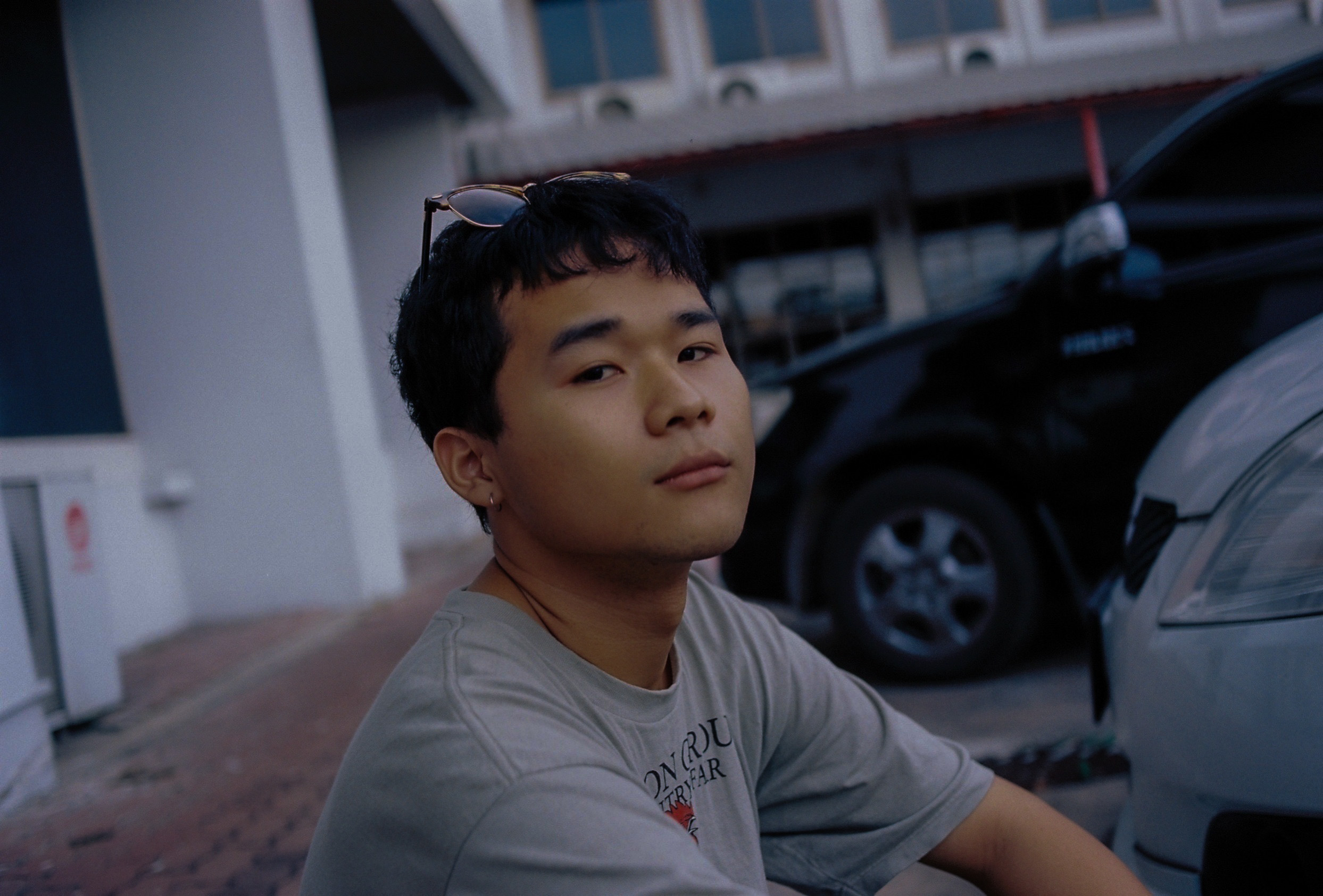
Wannawat Suwannarath (based in Bangkok, Thailand) is an independent filmmaker and multidisciplinary artist working primarily with moving image and sound. His practice explores transitional states, inner landscapes, and moments of instability through non-linear and atmospheric narratives. Through his work, he reflects on the fragile tension between stillness and change, presence and absence, often engaging with inner wounds that coexist with the persistence of the self.
Kianí del Valle
Dates:
March 21
Where:
Casa del Lago

Kianí del Valle’s artistic practice is deeply rooted in the exploration of anthropological, biological, psychological, and sociological phenomena, combining contemporary dance with performance art through an interdisciplinary lens that encompasses film, photography, architecture, pop culture, technology, and sound. Kianí is a theater and film director, choreographer, dancer, actress, playwright, and visual artist. Her collaborations include partnerships with renowned musicians such as Travis Scott, Labrinth, Ziúr, Kelman Durán, Bad Bunny, LSDXOXO, John Legend, Ludwig Wandinger, Floating Points, VTSS, Lyra Pramuk, Clark, Objekt, Lotic, Rammstein, and Bendik Giske, creating a rich dialogue between music and movement. Del Valle’s choreographic works (both solo and ensemble) have been exhibited at prestigious institutions around the world, including MOMA PS1, Berlinische Galerie, Konzerthaus Berlin, Silent Green, Funkhaus, Barbican, Silencio Club Paris, CCCB, Getty Museum, National Sawdust Brooklyn, Tribeca Performing Arts Center, and Performance Space New York, cementing her position as a transformative figure in the world of contemporary performance art. As a soloist, Kianí has a repertoire of more than 20 pieces, and with her KDV PERFORMANCE GROUP, she has created seven large-scale pieces between 2020 and 2026.
Alexa West
Dates:
March 13th & 14th
Where:
La Laguna Bodega
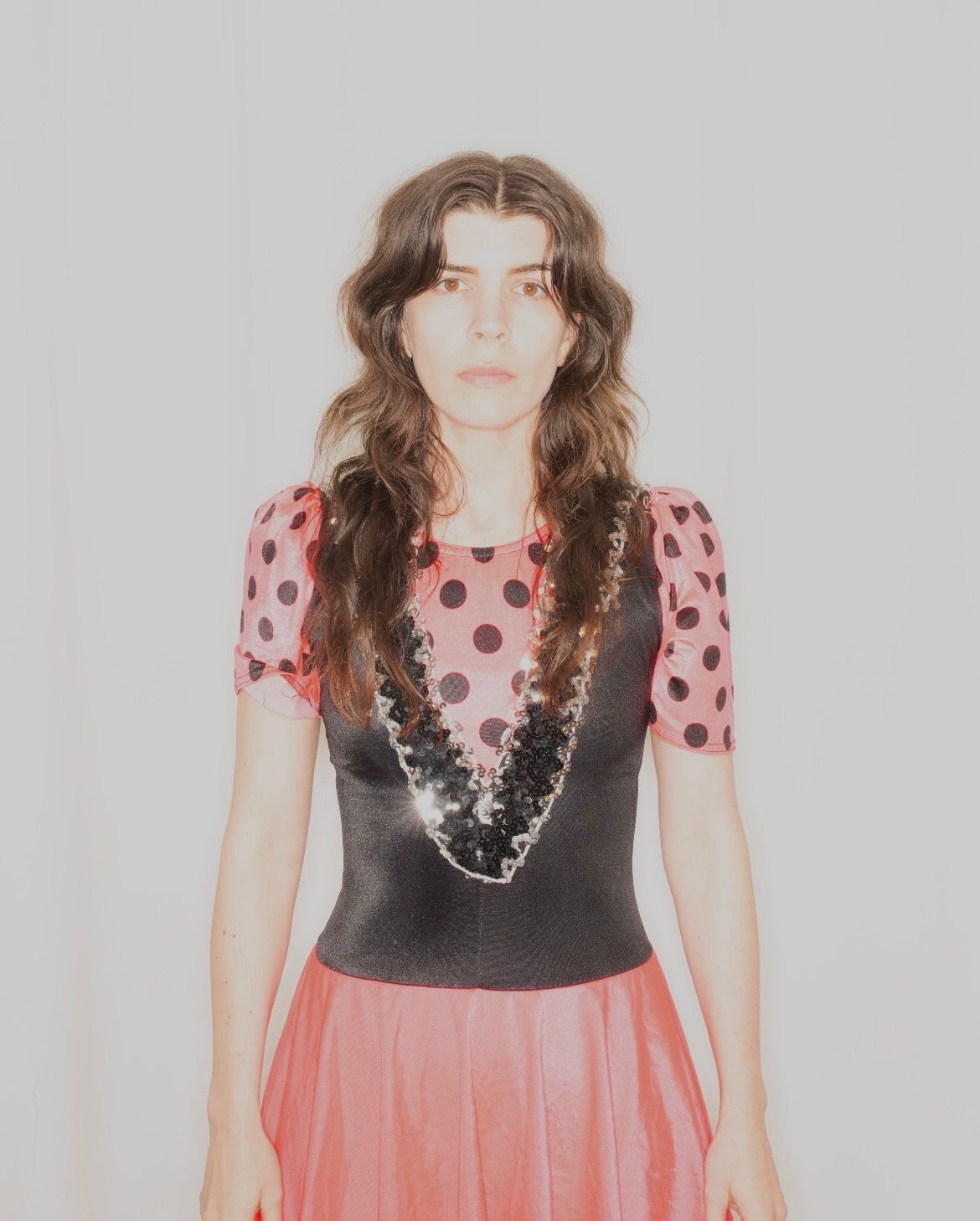
Alexa West (born 1991, Houston, Texas) is a dance artist based in New York City.
West holds an MFA from Bard College and a BFA from The Cooper Union. Her work has been presented by SculptureCenter and the 2023 Performa Biennial, among others. She was a Dance Research Fellow at the Jerome Robbins Dance Division of the New York Public Library and a Movement Research Artist-in-Residence. In addition, West is a co-founder of Pageant, a space in Brooklyn that presents performances by emerging choreographers.
Recent works include: Jawbreaker Part 1 Part 2 at 99 Canal, New York, NY (2025); Jawbreaker Part 1 Part 2 at Pageant, Brooklyn, NY (2025); Rehearsals: Alexa West at SculptureCenter, Queens, NY (2024); A Lounge, a Lobby at Lomex, New York, NY (2024); Gossip at the Aldrich Contemporary Art Museum, Ridgefield, CT (2024); Occasion, Occasion, Occasion at Untitled Art Fair, Miami, FL (2023); Occasion, Occasion, Occasion at the Performa Biennial, New York, NY (2023); Department of Aging at 99 Canal, New York, NY (2023); Procession at Pageant, Brooklyn, NY (2023); and Pumpjack, presented by Octagon (Moira Sims) at 3390 Broadway, New York, NY (2022).
Photo credit: Renee Paule
FRI.6
SAT.7
SUN.8
MON.9
TUE.10
WED.11
THU.12
FRI.13
SAT.14
SUN.15
MON.16
TUE.17
WED.18
THU.19
FRI.20
SAT.21
SUN.22
Friday, Mar.6
-
Exhibition
Ho Tzu Nyen: Hotel Aporia
Museo Amparo -
Copy event URL

Dates:
March 4 - April 27 This exhibition will extend beyond the dates of TONO Festival 2026
Venue:
Museo Amparo
Time: Museum Hours
Admission: Museum Admission
Singaporean artist Ho Tzu Nyen’s multichannel video-installation Hotel Aporia (2019) transforms a series of galleries at the Museo Amparo into a ryokan or Japanese Inn. Filling the fictitious World War II “Hotel Aporia” with conversations from figures across time–the inn-keeper at the Kiraku-Tei where the project was first staged, World War II kamikaze pilots, philosophers of the Kyoto School, the late filmmakers Ryuichi Yokoyama and Yasujiro Ozu, and the artist and his team of collaborators, Ho brings together a multiplicity of voices to explore a historical moment in Japanese history when nationalism and cultural production intersected to serve imperial interests. In threading historic characters with contemporary figures, Ho offers a perspective on history that is always present in an ever-evolving process of recycling and transformation.
Ho first imagined this work for the 2019 Aichi Triennale as a site-specific response to a traditional inn that was built in Toyota City, Aichi Prefecture, during the Taisho period. While it was frequented by those in the silk business before World War II and by Toyota’s automobile industry afterward, it hosted the last banquet for the Kusanagi Unit, a squadron of kamikaze pilots from the Nagoya Navy Air Corps, before their fatal mission to Okinawa. Following the war, their families gathered at the inn for a final celebration of mourning. The installation brings together images from documentary films of that period, as well as scenes from Ozu and Yokoyama. As part of propaganda missions, Ozu was drafted into the Japanese Imperial Army and sent to Singapore to make films, while Yokoyama was sent to Indonesia. While Ozu never finished his film and scenes from his 1949 work Late Spring are included here, Yokoyama created Fuku-chan’s Submarine (1944), in which the character Fuku-chan, who appears in the installation, is sent to war on a submarine.
In addition to stitching these visual sources together, Ho obfuscates the characters’ faces and blows artificial wind throughout the galleries, creating a historical collage and a sensation of whirring through time. It becomes easier to imagine characters throughout history and even contemporary faces filling the frames–an artistic move which collapses the past and the present into one. While Ho presents catastrophic moments in a specific imperial history, he does not allow us to leave the history in the past; he illuminates how the present is entangled with these traces. As we walk further into the work and traverse the four chapters–“The Waves,” “The Wind,” “The Void,” and “The Children”–we also learn about the East Asian perspective on emptiness not as a lack but rather as pure possibility.
-
Live Event
Tino Sehgal: This Joy
Museo Casa Estudio Diego Rivera y Frida Kahlo -
Copy event URL
Dates:
March 6 & 7
Venue:
Museo Casa Estudio Diego Rivera y Frida Kahlo
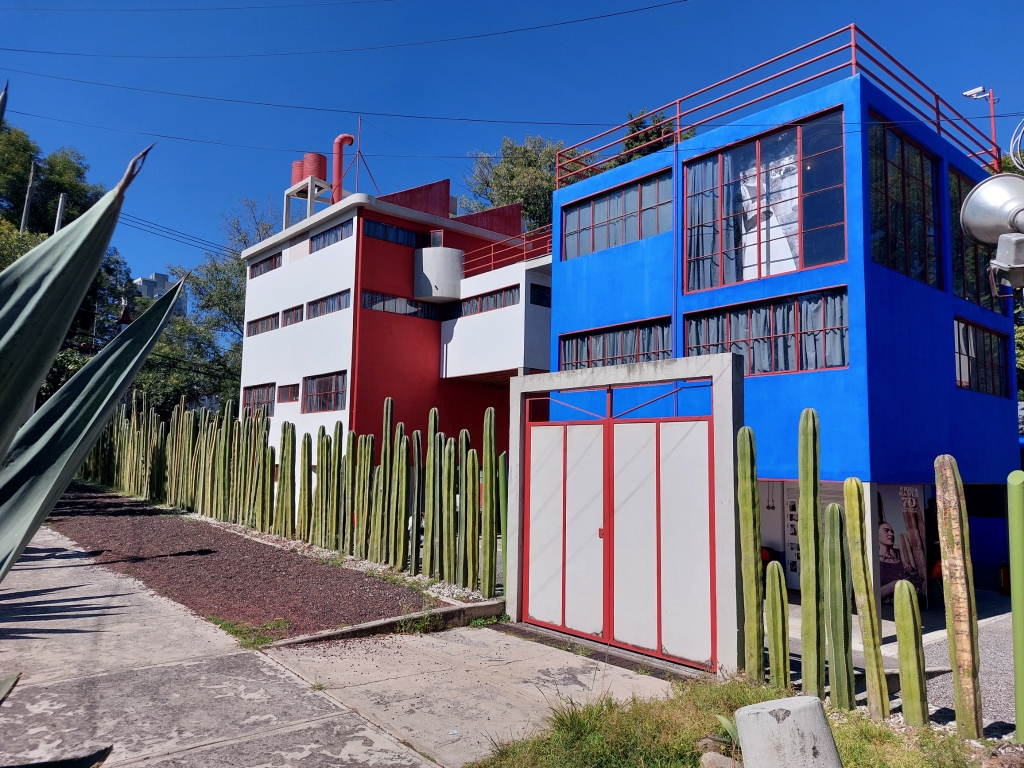
Friday, March 6; Time: 4 – 7 PM; Museo Casa Estudio Diego Rivera y Frida Kahlo
Saturday, March 7; Time: 4 – 7 PM; Museo Casa Estudio Diego Rivera y Frida Kahlo
Sunday, March 8 & Tuesday, March 10; Time: 2 – 5 PM; venue to be announced
In “This Joy,” three dancers surrender themselves to the music of Ludwig van Beethoven and translate the enthusiasm that emanates from it into physical encounters.
“All creatures drink from the joy / In the breasts of nature / All the righteous, all the wicked / Follow its trail of roses.” Schiller’s “Ode to Joy” became a hymn to life thanks to Beethoven’s composition, imbued with joy, earthly and spiritual, deeply moving and open at the same time. Tino Sehgal’s analysis of six Beethoven pieces under the title “This Joy” follows the trail of joy in Beethoven’s compositions, which often give the impression of opening up to the ephemeral and engaging with the unexpected. Together with eight dancers, Tino Sehgal has reinterpreted the pieces he has selected, giving them a singing voice and approaching each composition with a choreography for a single part of the body. Sehgal’s translation of music into physical encounters is at the same time an encounter between visitors and with the unusual spaces.
This project was first created for the Kunsthistorische Museum in Vienna in 2020. TONO marks its Mexican premiere. This presentation of work by Tino Sehgal is a collaboration with the MAZ museum, where the artist has recently closed an exhibition.
It will be presented at Museo Casa Estudio Diego Rivera y Frida Kahlo on March 6th and 7th, and at Casa De La Acequia on March 8th and 10th.
“This Joy” is realized by Vera Pulido, Justin Kennedy, and Zuriñe Benavente with the production support of Cora Gianolla.
-
Opening
TONO Opening
Museo Casa Estudio Diego Rivera y Frida Kahlo -
Copy event URL
Dates:
March 6
Venue:
Museo Casa Estudio Diego Rivera y Frida Kahlo
Time: 4 – 8 pm
Admission: Free
Join us for the inauguration of TONO Festival 2026 at Museo Casa Estudio Diego Rivera y Frida Kahlo with a special event by Tino Sehgal.
From 4-7 pm, three dancers surrender themselves to the music of Ludwig van Beethoven and translate the enthusiasm that emanates from it into physical encounters as part of Sehgal’s piece “This joy.”“This joy” will be followed by a cocktail hosted by 1800 Tequilla to celebrate the start of TONO 2026!
Saturday, Mar.7
-
Exhibition
Ho Tzu Nyen: Hotel Aporia
Museo Amparo -
Copy event URL
Dates:
March 4 - April 27 This exhibition will extend beyond the dates of TONO Festival 2026
Venue:
Museo Amparo
Time: Museum Hours
Admission: Museum Admission
Singaporean artist Ho Tzu Nyen’s multichannel video-installation Hotel Aporia (2019) transforms a series of galleries at the Museo Amparo into a ryokan or Japanese Inn. Filling the fictitious World War II “Hotel Aporia” with conversations from figures across time–the inn-keeper at the Kiraku-Tei where the project was first staged, World War II kamikaze pilots, philosophers of the Kyoto School, the late filmmakers Ryuichi Yokoyama and Yasujiro Ozu, and the artist and his team of collaborators, Ho brings together a multiplicity of voices to explore a historical moment in Japanese history when nationalism and cultural production intersected to serve imperial interests. In threading historic characters with contemporary figures, Ho offers a perspective on history that is always present in an ever-evolving process of recycling and transformation.
Ho first imagined this work for the 2019 Aichi Triennale as a site-specific response to a traditional inn that was built in Toyota City, Aichi Prefecture, during the Taisho period. While it was frequented by those in the silk business before World War II and by Toyota’s automobile industry afterward, it hosted the last banquet for the Kusanagi Unit, a squadron of kamikaze pilots from the Nagoya Navy Air Corps, before their fatal mission to Okinawa. Following the war, their families gathered at the inn for a final celebration of mourning. The installation brings together images from documentary films of that period, as well as scenes from Ozu and Yokoyama. As part of propaganda missions, Ozu was drafted into the Japanese Imperial Army and sent to Singapore to make films, while Yokoyama was sent to Indonesia. While Ozu never finished his film and scenes from his 1949 work Late Spring are included here, Yokoyama created Fuku-chan’s Submarine (1944), in which the character Fuku-chan, who appears in the installation, is sent to war on a submarine.
In addition to stitching these visual sources together, Ho obfuscates the characters’ faces and blows artificial wind throughout the galleries, creating a historical collage and a sensation of whirring through time. It becomes easier to imagine characters throughout history and even contemporary faces filling the frames–an artistic move which collapses the past and the present into one. While Ho presents catastrophic moments in a specific imperial history, he does not allow us to leave the history in the past; he illuminates how the present is entangled with these traces. As we walk further into the work and traverse the four chapters–“The Waves,” “The Wind,” “The Void,” and “The Children”–we also learn about the East Asian perspective on emptiness not as a lack but rather as pure possibility.
-
Live Event
Tino Sehgal: This Joy
Museo Casa Estudio Diego Rivera y Frida Kahlo -
Copy event URL
Dates:
March 6 & 7
Venue:
Museo Casa Estudio Diego Rivera y Frida Kahlo
Friday, March 6; Time: 4 – 7 PM; Museo Casa Estudio Diego Rivera y Frida Kahlo
Saturday, March 7; Time: 4 – 7 PM; Museo Casa Estudio Diego Rivera y Frida Kahlo
Sunday, March 8 & Tuesday, March 10; Time: 2 – 5 PM; venue to be announced
In “This Joy,” three dancers surrender themselves to the music of Ludwig van Beethoven and translate the enthusiasm that emanates from it into physical encounters.
“All creatures drink from the joy / In the breasts of nature / All the righteous, all the wicked / Follow its trail of roses.” Schiller’s “Ode to Joy” became a hymn to life thanks to Beethoven’s composition, imbued with joy, earthly and spiritual, deeply moving and open at the same time. Tino Sehgal’s analysis of six Beethoven pieces under the title “This Joy” follows the trail of joy in Beethoven’s compositions, which often give the impression of opening up to the ephemeral and engaging with the unexpected. Together with eight dancers, Tino Sehgal has reinterpreted the pieces he has selected, giving them a singing voice and approaching each composition with a choreography for a single part of the body. Sehgal’s translation of music into physical encounters is at the same time an encounter between visitors and with the unusual spaces.
This project was first created for the Kunsthistorische Museum in Vienna in 2020. TONO marks its Mexican premiere. This presentation of work by Tino Sehgal is a collaboration with the MAZ museum, where the artist has recently closed an exhibition.
It will be presented at Museo Casa Estudio Diego Rivera y Frida Kahlo on March 6th and 7th, and at Casa De La Acequia on March 8th and 10th.
“This Joy” is realized by Vera Pulido, Justin Kennedy, and Zuriñe Benavente with the production support of Cora Gianolla.
Sunday, Mar.8
-
Exhibition
Ho Tzu Nyen: Hotel Aporia
Museo Amparo -
Copy event URL
Dates:
March 4 - April 27 This exhibition will extend beyond the dates of TONO Festival 2026
Venue:
Museo Amparo
Time: Museum Hours
Admission: Museum Admission
Singaporean artist Ho Tzu Nyen’s multichannel video-installation Hotel Aporia (2019) transforms a series of galleries at the Museo Amparo into a ryokan or Japanese Inn. Filling the fictitious World War II “Hotel Aporia” with conversations from figures across time–the inn-keeper at the Kiraku-Tei where the project was first staged, World War II kamikaze pilots, philosophers of the Kyoto School, the late filmmakers Ryuichi Yokoyama and Yasujiro Ozu, and the artist and his team of collaborators, Ho brings together a multiplicity of voices to explore a historical moment in Japanese history when nationalism and cultural production intersected to serve imperial interests. In threading historic characters with contemporary figures, Ho offers a perspective on history that is always present in an ever-evolving process of recycling and transformation.
Ho first imagined this work for the 2019 Aichi Triennale as a site-specific response to a traditional inn that was built in Toyota City, Aichi Prefecture, during the Taisho period. While it was frequented by those in the silk business before World War II and by Toyota’s automobile industry afterward, it hosted the last banquet for the Kusanagi Unit, a squadron of kamikaze pilots from the Nagoya Navy Air Corps, before their fatal mission to Okinawa. Following the war, their families gathered at the inn for a final celebration of mourning. The installation brings together images from documentary films of that period, as well as scenes from Ozu and Yokoyama. As part of propaganda missions, Ozu was drafted into the Japanese Imperial Army and sent to Singapore to make films, while Yokoyama was sent to Indonesia. While Ozu never finished his film and scenes from his 1949 work Late Spring are included here, Yokoyama created Fuku-chan’s Submarine (1944), in which the character Fuku-chan, who appears in the installation, is sent to war on a submarine.
In addition to stitching these visual sources together, Ho obfuscates the characters’ faces and blows artificial wind throughout the galleries, creating a historical collage and a sensation of whirring through time. It becomes easier to imagine characters throughout history and even contemporary faces filling the frames–an artistic move which collapses the past and the present into one. While Ho presents catastrophic moments in a specific imperial history, he does not allow us to leave the history in the past; he illuminates how the present is entangled with these traces. As we walk further into the work and traverse the four chapters–“The Waves,” “The Wind,” “The Void,” and “The Children”–we also learn about the East Asian perspective on emptiness not as a lack but rather as pure possibility.
-
Live Event
Tino Sehgal: This Joy
Casa De La Acequia -
Copy event URL
Dates:
March 8 & 10
Venue:
Casa De La Acequia
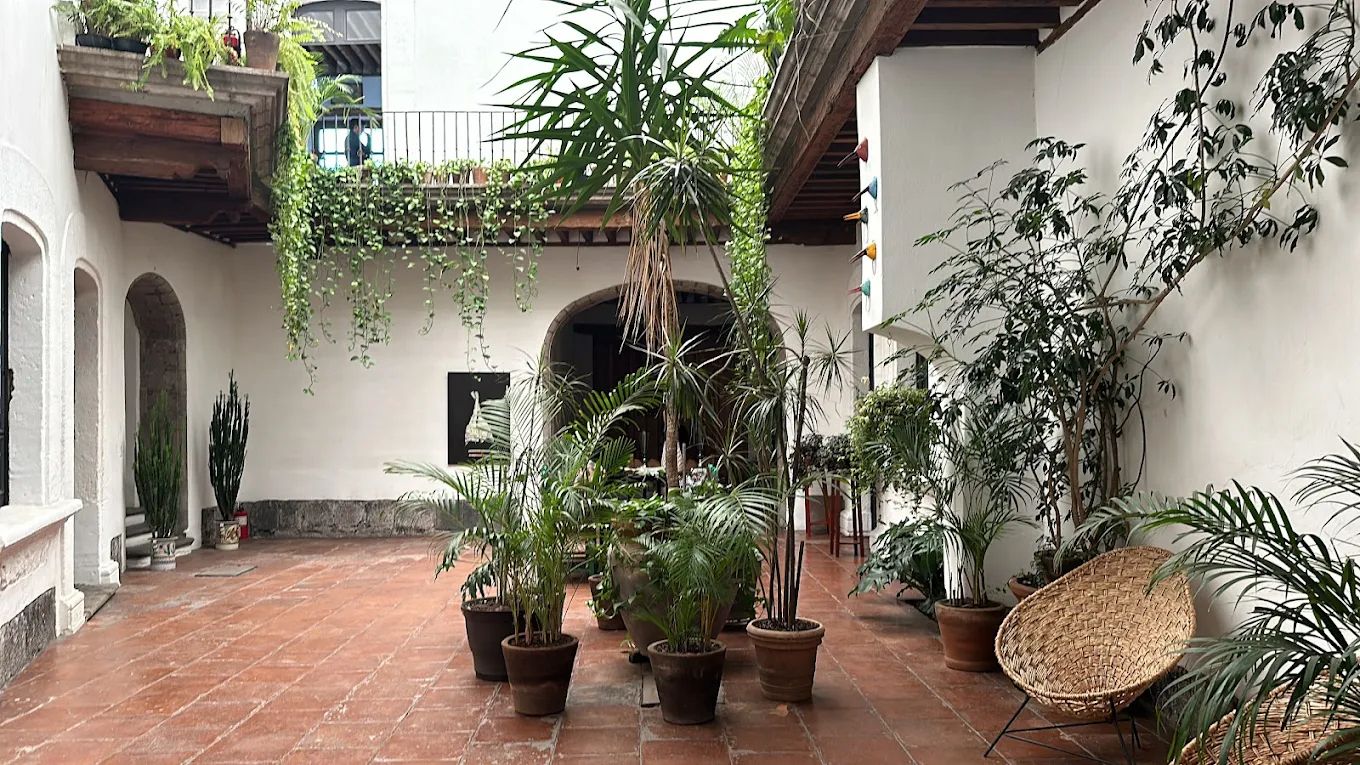
Friday, March 6; Time: 4 – 7 PM; Museo Casa Estudio Diego Rivera y Frida Kahlo
Saturday, March 7; Time: 2 – 5 PM; Museo Casa Estudio Diego Rivera y Frida Kahlo
Sunday, March 8 & Tuesday, March 10; Time: 2 – 5 PM; Casa De La Acequia
In “This Joy,” three dancers surrender themselves to the music of Ludwig van Beethoven and translate the enthusiasm that emanates from it into physical encounters.
“All creatures drink from the joy / In the breasts of nature / All the righteous, all the wicked / Follow its trail of roses.” Schiller’s “Ode to Joy” became a hymn to life thanks to Beethoven’s composition, imbued with joy, earthly and spiritual, deeply moving and open at the same time. Tino Sehgal’s analysis of six Beethoven pieces under the title “This Joy” follows the trail of joy in Beethoven’s compositions, which often give the impression of opening up to the ephemeral and engaging with the unexpected. Together with eight dancers, Tino Sehgal has reinterpreted the pieces he has selected, giving them a singing voice and approaching each composition with a choreography for a single part of the body. Sehgal’s translation of music into physical encounters is at the same time an encounter between visitors and with the unusual spaces.
This project was first created for the Kunsthistorische Museum in Vienna in 2020. TONO marks its Mexican premiere. This presentation of work by Tino Sehgal is a collaboration with the MAZ museum, where the artist has recently closed an exhibition.
It will be presented at Museo Casa Estudio Diego Rivera y Frida Kahlo on March 6th and 7th, and at Casa De La Acequia on March 8th and 10th.
“This Joy” is realized by Vera Pulido, Justin Kennedy, and Zuriñe Benavente with the production support of Cora Gianolla.
Monday, Mar.9
-
Exhibition
Ho Tzu Nyen: Hotel Aporia
Museo Amparo -
Dates:
March 4 - April 27 This exhibition will extend beyond the dates of TONO Festival 2026
Copy event URL
Venues:
Museo Amparo
Time: Museum Hours
Admission: Museum Admission
Singaporean artist Ho Tzu Nyen’s multichannel video-installation Hotel Aporia (2019) transforms a series of galleries at the Museo Amparo into a ryokan or Japanese Inn. Filling the fictitious World War II “Hotel Aporia” with conversations from figures across time–the inn-keeper at the Kiraku-Tei where the project was first staged, World War II kamikaze pilots, philosophers of the Kyoto School, the late filmmakers Ryuichi Yokoyama and Yasujiro Ozu, and the artist and his team of collaborators, Ho brings together a multiplicity of voices to explore a historical moment in Japanese history when nationalism and cultural production intersected to serve imperial interests. In threading historic characters with contemporary figures, Ho offers a perspective on history that is always present in an ever-evolving process of recycling and transformation.
Ho first imagined this work for the 2019 Aichi Triennale as a site-specific response to a traditional inn that was built in Toyota City, Aichi Prefecture, during the Taisho period. While it was frequented by those in the silk business before World War II and by Toyota’s automobile industry afterward, it hosted the last banquet for the Kusanagi Unit, a squadron of kamikaze pilots from the Nagoya Navy Air Corps, before their fatal mission to Okinawa. Following the war, their families gathered at the inn for a final celebration of mourning. The installation brings together images from documentary films of that period, as well as scenes from Ozu and Yokoyama. As part of propaganda missions, Ozu was drafted into the Japanese Imperial Army and sent to Singapore to make films, while Yokoyama was sent to Indonesia. While Ozu never finished his film and scenes from his 1949 work Late Spring are included here, Yokoyama created Fuku-chan’s Submarine (1944), in which the character Fuku-chan, who appears in the installation, is sent to war on a submarine.
In addition to stitching these visual sources together, Ho obfuscates the characters’ faces and blows artificial wind throughout the galleries, creating a historical collage and a sensation of whirring through time. It becomes easier to imagine characters throughout history and even contemporary faces filling the frames–an artistic move which collapses the past and the present into one. While Ho presents catastrophic moments in a specific imperial history, he does not allow us to leave the history in the past; he illuminates how the present is entangled with these traces. As we walk further into the work and traverse the four chapters–“The Waves,” “The Wind,” “The Void,” and “The Children”–we also learn about the East Asian perspective on emptiness not as a lack but rather as pure possibility.
Tuesday, Mar.10
-
Exhibition
Ho Tzu Nyen: Hotel Aporia
Museo Amparo -
Copy event URL
Dates:
March 4 - April 27 This exhibition will extend beyond the dates of TONO Festival 2026
Venue:
Museo Amparo
Time: Museum Hours
Admission: Museum Admission
Singaporean artist Ho Tzu Nyen’s multichannel video-installation Hotel Aporia (2019) transforms a series of galleries at the Museo Amparo into a ryokan or Japanese Inn. Filling the fictitious World War II “Hotel Aporia” with conversations from figures across time–the inn-keeper at the Kiraku-Tei where the project was first staged, World War II kamikaze pilots, philosophers of the Kyoto School, the late filmmakers Ryuichi Yokoyama and Yasujiro Ozu, and the artist and his team of collaborators, Ho brings together a multiplicity of voices to explore a historical moment in Japanese history when nationalism and cultural production intersected to serve imperial interests. In threading historic characters with contemporary figures, Ho offers a perspective on history that is always present in an ever-evolving process of recycling and transformation.
Ho first imagined this work for the 2019 Aichi Triennale as a site-specific response to a traditional inn that was built in Toyota City, Aichi Prefecture, during the Taisho period. While it was frequented by those in the silk business before World War II and by Toyota’s automobile industry afterward, it hosted the last banquet for the Kusanagi Unit, a squadron of kamikaze pilots from the Nagoya Navy Air Corps, before their fatal mission to Okinawa. Following the war, their families gathered at the inn for a final celebration of mourning. The installation brings together images from documentary films of that period, as well as scenes from Ozu and Yokoyama. As part of propaganda missions, Ozu was drafted into the Japanese Imperial Army and sent to Singapore to make films, while Yokoyama was sent to Indonesia. While Ozu never finished his film and scenes from his 1949 work Late Spring are included here, Yokoyama created Fuku-chan’s Submarine (1944), in which the character Fuku-chan, who appears in the installation, is sent to war on a submarine.
In addition to stitching these visual sources together, Ho obfuscates the characters’ faces and blows artificial wind throughout the galleries, creating a historical collage and a sensation of whirring through time. It becomes easier to imagine characters throughout history and even contemporary faces filling the frames–an artistic move which collapses the past and the present into one. While Ho presents catastrophic moments in a specific imperial history, he does not allow us to leave the history in the past; he illuminates how the present is entangled with these traces. As we walk further into the work and traverse the four chapters–“The Waves,” “The Wind,” “The Void,” and “The Children”–we also learn about the East Asian perspective on emptiness not as a lack but rather as pure possibility.
-
Live Event
Tino Sehgal: This Joy
Casa De La Acequia -
Copy event URL
Dates:
March 8 & 10
Venue:
Casa De La Acequia
Friday, March 6; Time: 4 – 7 PM; Museo Casa Estudio Diego Rivera y Frida Kahlo
Saturday, March 7; Time: 2 – 5 PM; Museo Casa Estudio Diego Rivera y Frida Kahlo
Sunday, March 8 & Tuesday, March 10; Time: 2 – 5 PM; Casa De La Acequia
In “This Joy,” three dancers surrender themselves to the music of Ludwig van Beethoven and translate the enthusiasm that emanates from it into physical encounters.
“All creatures drink from the joy / In the breasts of nature / All the righteous, all the wicked / Follow its trail of roses.” Schiller’s “Ode to Joy” became a hymn to life thanks to Beethoven’s composition, imbued with joy, earthly and spiritual, deeply moving and open at the same time. Tino Sehgal’s analysis of six Beethoven pieces under the title “This Joy” follows the trail of joy in Beethoven’s compositions, which often give the impression of opening up to the ephemeral and engaging with the unexpected. Together with eight dancers, Tino Sehgal has reinterpreted the pieces he has selected, giving them a singing voice and approaching each composition with a choreography for a single part of the body. Sehgal’s translation of music into physical encounters is at the same time an encounter between visitors and with the unusual spaces.
This project was first created for the Kunsthistorische Museum in Vienna in 2020. TONO marks its Mexican premiere. This presentation of work by Tino Sehgal is a collaboration with the MAZ museum, where the artist has recently closed an exhibition.
It will be presented at Museo Casa Estudio Diego Rivera y Frida Kahlo on March 6th and 7th, and at Casa De La Acequia on March 8th and 10th.
“This Joy” is realized by Vera Pulido, Justin Kennedy, and Zuriñe Benavente with the production support of Cora Gianolla.
Wednesday, Mar.11
-
Exhibition
Ho Tzu Nyen: Hotel Aporia
Museo Amparo -
Copy event URL
Dates:
March 4 - April 27 This exhibition will extend beyond the dates of TONO Festival 2026
Venue:
Museo Amparo
Time: Museum Hours
Admission: Museum Admission
Singaporean artist Ho Tzu Nyen’s multichannel video-installation Hotel Aporia (2019) transforms a series of galleries at the Museo Amparo into a ryokan or Japanese Inn. Filling the fictitious World War II “Hotel Aporia” with conversations from figures across time–the inn-keeper at the Kiraku-Tei where the project was first staged, World War II kamikaze pilots, philosophers of the Kyoto School, the late filmmakers Ryuichi Yokoyama and Yasujiro Ozu, and the artist and his team of collaborators, Ho brings together a multiplicity of voices to explore a historical moment in Japanese history when nationalism and cultural production intersected to serve imperial interests. In threading historic characters with contemporary figures, Ho offers a perspective on history that is always present in an ever-evolving process of recycling and transformation.
Ho first imagined this work for the 2019 Aichi Triennale as a site-specific response to a traditional inn that was built in Toyota City, Aichi Prefecture, during the Taisho period. While it was frequented by those in the silk business before World War II and by Toyota’s automobile industry afterward, it hosted the last banquet for the Kusanagi Unit, a squadron of kamikaze pilots from the Nagoya Navy Air Corps, before their fatal mission to Okinawa. Following the war, their families gathered at the inn for a final celebration of mourning. The installation brings together images from documentary films of that period, as well as scenes from Ozu and Yokoyama. As part of propaganda missions, Ozu was drafted into the Japanese Imperial Army and sent to Singapore to make films, while Yokoyama was sent to Indonesia. While Ozu never finished his film and scenes from his 1949 work Late Spring are included here, Yokoyama created Fuku-chan’s Submarine (1944), in which the character Fuku-chan, who appears in the installation, is sent to war on a submarine.
In addition to stitching these visual sources together, Ho obfuscates the characters’ faces and blows artificial wind throughout the galleries, creating a historical collage and a sensation of whirring through time. It becomes easier to imagine characters throughout history and even contemporary faces filling the frames–an artistic move which collapses the past and the present into one. While Ho presents catastrophic moments in a specific imperial history, he does not allow us to leave the history in the past; he illuminates how the present is entangled with these traces. As we walk further into the work and traverse the four chapters–“The Waves,” “The Wind,” “The Void,” and “The Children”–we also learn about the East Asian perspective on emptiness not as a lack but rather as pure possibility.
-
Screenings
TONO x Bangkok Kunsthalle Screenings: “Training Grounds”
Museo Amparo -
Copy event URL
Dates:
March 11
Venue:
Museo Amparo
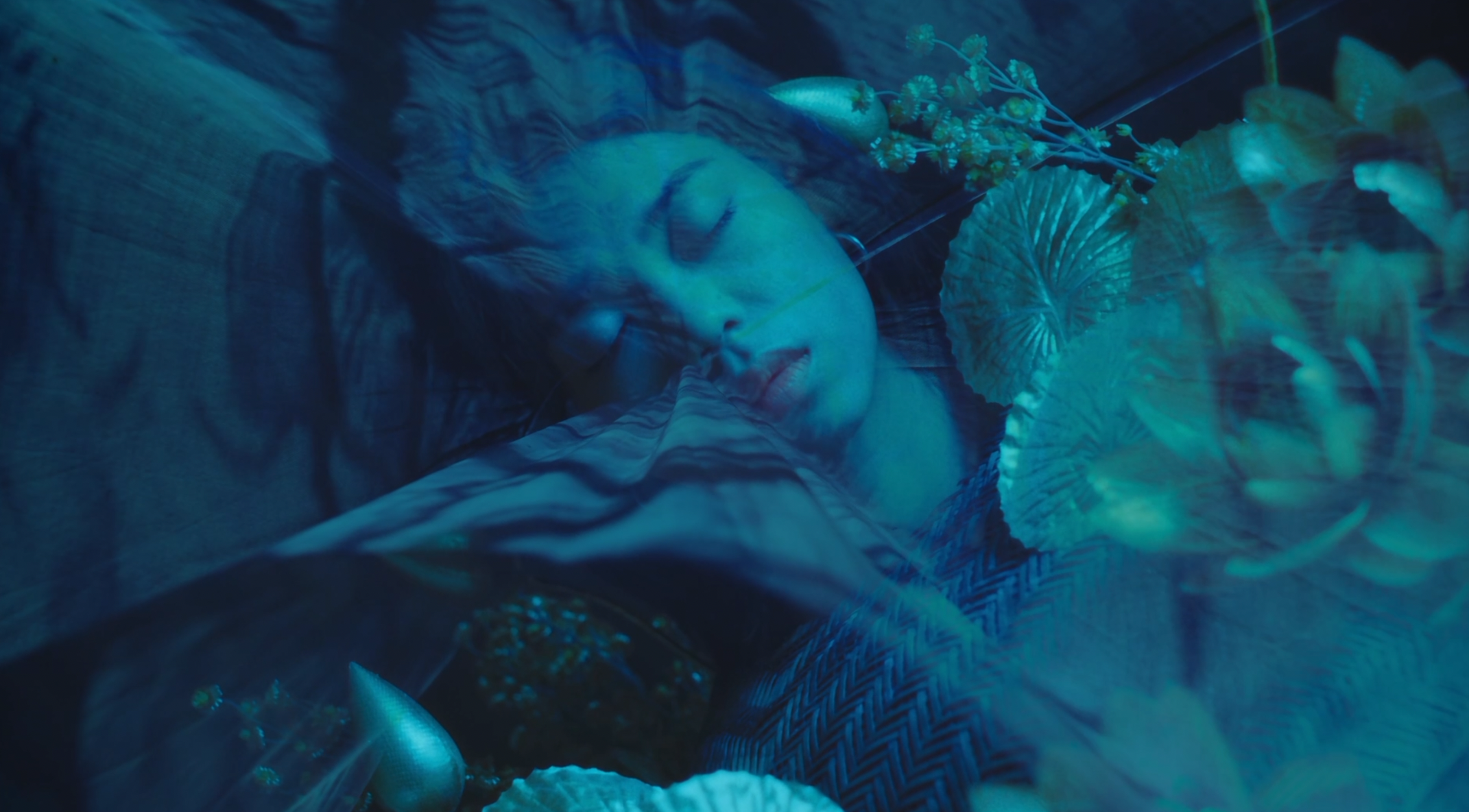
Time: 1 pm
Admission: Free
At each festival, TONO collaborates with an international museum on screening programs. TONO has worked with the MMCA in Seoul, MoMA in New York, and PAMM in Miami. This year, Rosalia Namsai Engchuan, curator of moving images at Bangkok Kunsthalle, has been invited to propose a program.
This group selection of Thai artists is titled “Training Grounds” and explores the ways in which power acts in subtle and silent, yet increasingly powerful ways through repetition, monumentalization, ritualization, the capture of external dreams, and the inherent pressures of capitalism that drain life. Through leisure, education, fantasy, and extraction, the program moves between speculative, performative, energetic, physical, and dreamlike bodies and the spaces through which they move.
There are works by Montika Kham-on, Oat Montien, Tulapop Saenjaroen, Harit Srikhao, Wannawat Suwannarath, and Chulayarnnon Siriphol.
Thursday, Mar.12
-
Exhibition
Ho Tzu Nyen: Hotel Aporia
Museo Amparo -
Copy event URL
Dates:
March 4 - April 27 This exhibition will extend beyond the dates of TONO Festival 2026
Venue:
Museo Amparo
Time: Museum Hours
Admission: Museum Admission
Singaporean artist Ho Tzu Nyen’s multichannel video-installation Hotel Aporia (2019) transforms a series of galleries at the Museo Amparo into a ryokan or Japanese Inn. Filling the fictitious World War II “Hotel Aporia” with conversations from figures across time–the inn-keeper at the Kiraku-Tei where the project was first staged, World War II kamikaze pilots, philosophers of the Kyoto School, the late filmmakers Ryuichi Yokoyama and Yasujiro Ozu, and the artist and his team of collaborators, Ho brings together a multiplicity of voices to explore a historical moment in Japanese history when nationalism and cultural production intersected to serve imperial interests. In threading historic characters with contemporary figures, Ho offers a perspective on history that is always present in an ever-evolving process of recycling and transformation.
Ho first imagined this work for the 2019 Aichi Triennale as a site-specific response to a traditional inn that was built in Toyota City, Aichi Prefecture, during the Taisho period. While it was frequented by those in the silk business before World War II and by Toyota’s automobile industry afterward, it hosted the last banquet for the Kusanagi Unit, a squadron of kamikaze pilots from the Nagoya Navy Air Corps, before their fatal mission to Okinawa. Following the war, their families gathered at the inn for a final celebration of mourning. The installation brings together images from documentary films of that period, as well as scenes from Ozu and Yokoyama. As part of propaganda missions, Ozu was drafted into the Japanese Imperial Army and sent to Singapore to make films, while Yokoyama was sent to Indonesia. While Ozu never finished his film and scenes from his 1949 work Late Spring are included here, Yokoyama created Fuku-chan’s Submarine (1944), in which the character Fuku-chan, who appears in the installation, is sent to war on a submarine.
In addition to stitching these visual sources together, Ho obfuscates the characters’ faces and blows artificial wind throughout the galleries, creating a historical collage and a sensation of whirring through time. It becomes easier to imagine characters throughout history and even contemporary faces filling the frames–an artistic move which collapses the past and the present into one. While Ho presents catastrophic moments in a specific imperial history, he does not allow us to leave the history in the past; he illuminates how the present is entangled with these traces. As we walk further into the work and traverse the four chapters–“The Waves,” “The Wind,” “The Void,” and “The Children”–we also learn about the East Asian perspective on emptiness not as a lack but rather as pure possibility.
-
Performance
Space Afrika: YOBS
Casa del Lago -
Copy event URL
Dates:
March 12
Venue:
Casa del Lago
Time: 6 pm
Admission: Free
YOBS is an ever-evolving, multiform inquiry by Space Afrika into how power structures determine who is seen, how, and under what conditions. A study in movement and constraint, intimacy and distance, YOBS invites viewers to navigate the edges of perception — between the seen, the unseen, and the system that governs both. YOBS is experienced as a site-specific event merging an eponymous live A/V show, sound installation and film screening – featuring original compositions by Space Afrika interwoven with unreleased visual works and captured footage. Echoing beyond the “non-performance,” the Manchester duo transport audiences deeper into parallel spaces of contemplation and disappearance.
Friday, Mar.13
-
Performance
Alexa West: JAWBREAKER
La Laguna Bodega -
Copy event URL
Dates:
March 13 & 14
Venue:
La Laguna Bodega
Time: 7 pm
Admission: Free
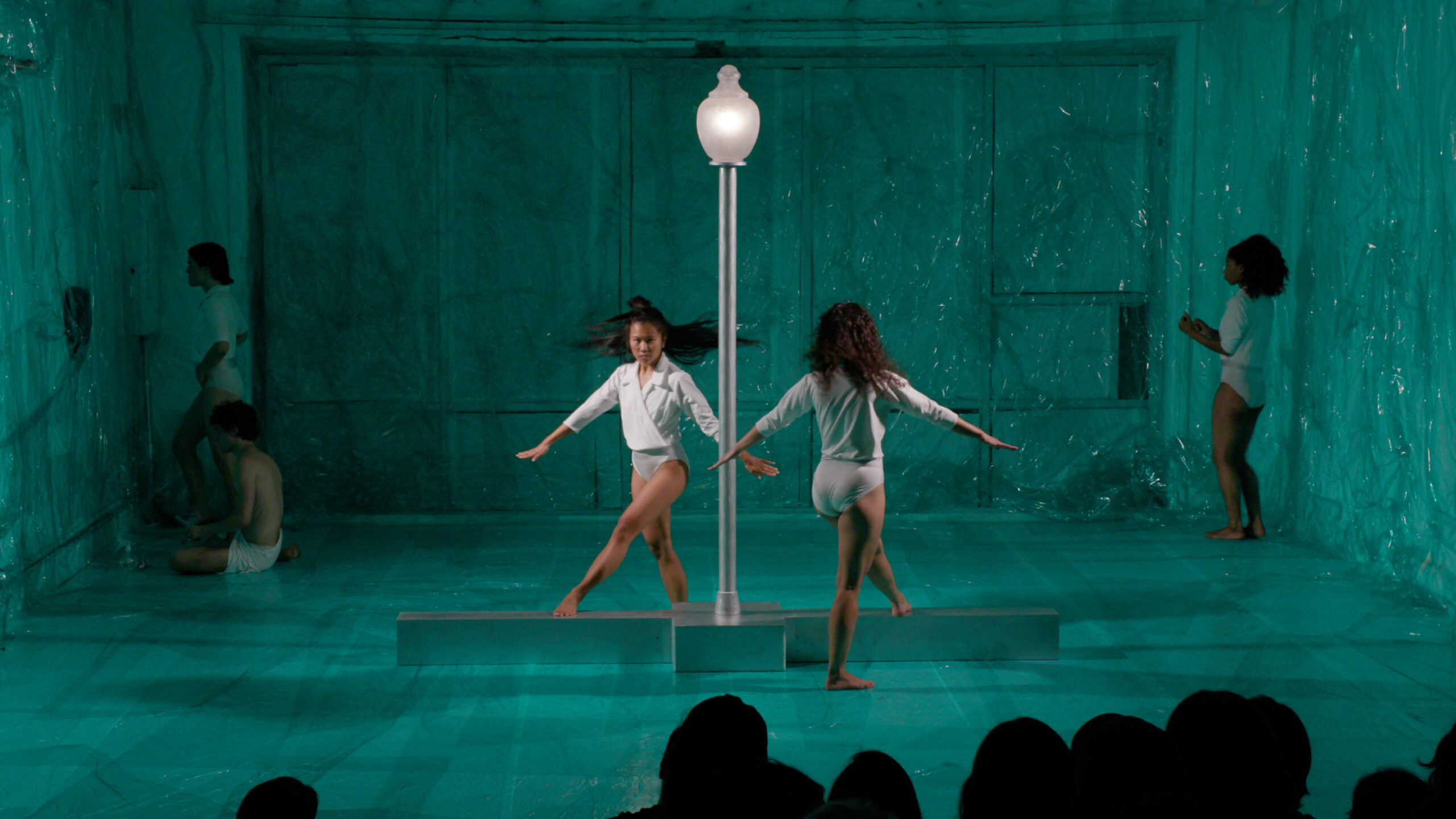
Alexa West’s year-long choreographic project explores patriotism and exhaustion through a fusion of athletic movements, Shaker rituals, and postmodern dance from the 1970s to the present. In a translucent aquamarine plastic environment created by CH & Herrero and set to relentless gabber beats, the dancers perform to the point of physical exhaustion.
JAWBREAKER premiered in New York City at PAGEANT and later at 99 Canal. 99 Canal, an artist-run Studio & Public Program located in Lower Manhattan, New York City, is supporting the presentation at TONO.
Performed by Cayleen Del Rosario, Benin Gardner, Amelia Heintzelman, Molly Ross, and Isa Spector
Scenic Design by Adam Charlap Hyman | CH & Herrero
Lamp Post Design by Harrison Milne and Fabrication by Yunque StudiosPhoto: Kayhl Cooper
-
Exhibition
Ho Tzu Nyen: Hotel Aporia
Museo Amparo -
Copy event URL
Dates:
March 4 - April 27 This exhibition will extend beyond the dates of TONO Festival 2026
Venue:
Museo Amparo
Time: Museum Hours
Admission: Museum Admission
Singaporean artist Ho Tzu Nyen’s multichannel video-installation Hotel Aporia (2019) transforms a series of galleries at the Museo Amparo into a ryokan or Japanese Inn. Filling the fictitious World War II “Hotel Aporia” with conversations from figures across time–the inn-keeper at the Kiraku-Tei where the project was first staged, World War II kamikaze pilots, philosophers of the Kyoto School, the late filmmakers Ryuichi Yokoyama and Yasujiro Ozu, and the artist and his team of collaborators, Ho brings together a multiplicity of voices to explore a historical moment in Japanese history when nationalism and cultural production intersected to serve imperial interests. In threading historic characters with contemporary figures, Ho offers a perspective on history that is always present in an ever-evolving process of recycling and transformation.
Ho first imagined this work for the 2019 Aichi Triennale as a site-specific response to a traditional inn that was built in Toyota City, Aichi Prefecture, during the Taisho period. While it was frequented by those in the silk business before World War II and by Toyota’s automobile industry afterward, it hosted the last banquet for the Kusanagi Unit, a squadron of kamikaze pilots from the Nagoya Navy Air Corps, before their fatal mission to Okinawa. Following the war, their families gathered at the inn for a final celebration of mourning. The installation brings together images from documentary films of that period, as well as scenes from Ozu and Yokoyama. As part of propaganda missions, Ozu was drafted into the Japanese Imperial Army and sent to Singapore to make films, while Yokoyama was sent to Indonesia. While Ozu never finished his film and scenes from his 1949 work Late Spring are included here, Yokoyama created Fuku-chan’s Submarine (1944), in which the character Fuku-chan, who appears in the installation, is sent to war on a submarine.
In addition to stitching these visual sources together, Ho obfuscates the characters’ faces and blows artificial wind throughout the galleries, creating a historical collage and a sensation of whirring through time. It becomes easier to imagine characters throughout history and even contemporary faces filling the frames–an artistic move which collapses the past and the present into one. While Ho presents catastrophic moments in a specific imperial history, he does not allow us to leave the history in the past; he illuminates how the present is entangled with these traces. As we walk further into the work and traverse the four chapters–“The Waves,” “The Wind,” “The Void,” and “The Children”–we also learn about the East Asian perspective on emptiness not as a lack but rather as pure possibility.
-
Sound Installation
Space Afrika: Ambient Installation
Casa del Lago -
Copy event URL
Dates:
March 13 - 22
Venue:
Casa del Lago
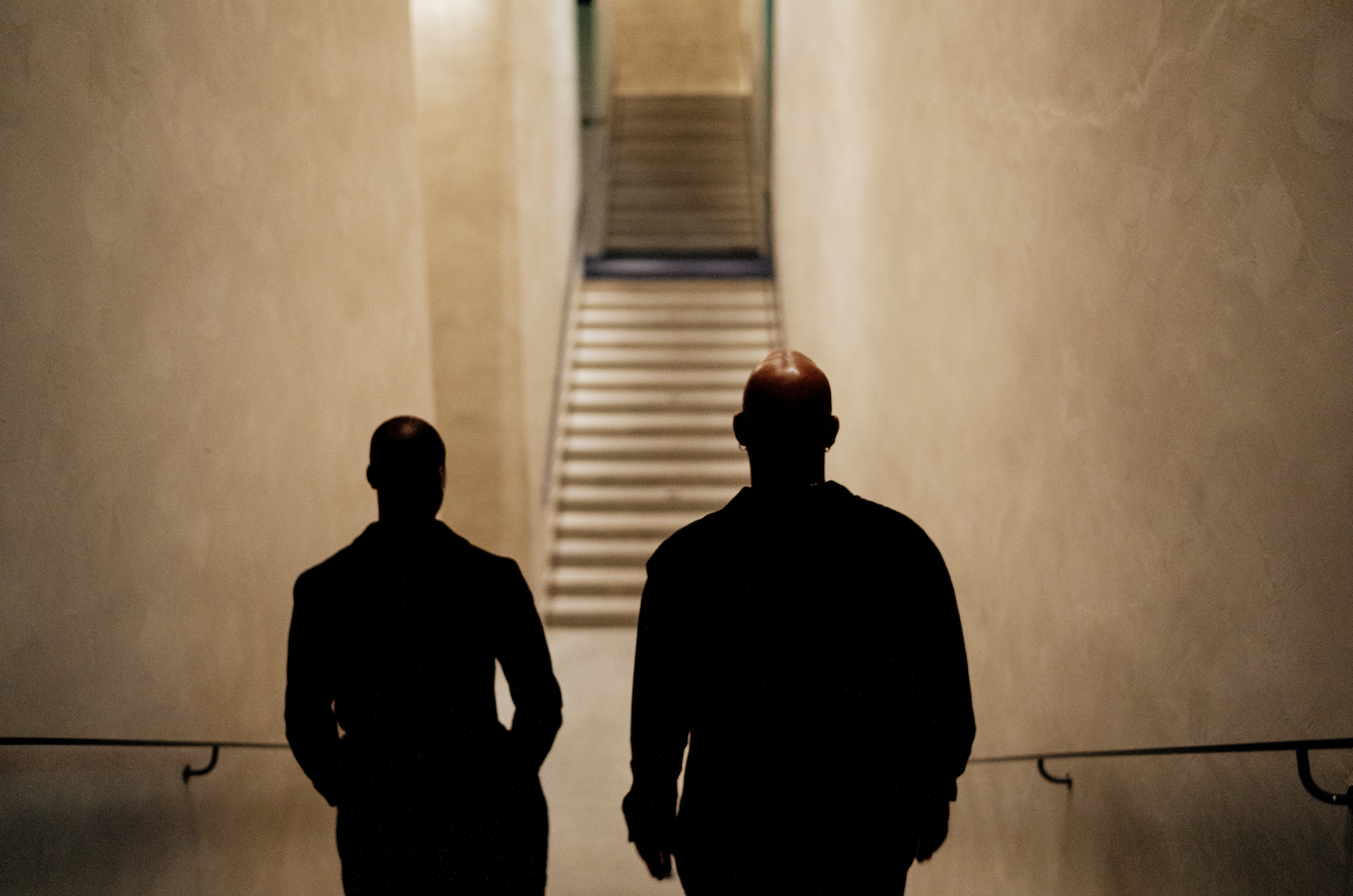
From March 13 to 22, Space Afrika will present an ambient piece at Espacio Sonoro at Casa del Lago UNAM
The untitled piece highlights the English duo’s extensive musical background, subtly blending experimental ambient, dub, and techno, among other contemporary sound trends. The result is a delicate balance of layers and textures that interact organically with the surroundings, integrating with the sounds of birds, animals, and people passing through the venue, thereby expanding the site-specific listening experience.
Space Afrika, the duo of Joshua Tarelle Reid and Joshua Inyang, is considered innovative in electronic music, as they fuse genres such as UK dance, ambient, alternative, trip-hop, and pop, as well as classical, contemporary, and experimental music. As producers, contemporary composers, visual artists, performers, and hosts of NTS Radio, Tarelle and Inyang are recognized for their sound that defies genre categories. The duo has released two critically acclaimed albums: Somewhere Decent to Live (sferic, 2018) and Honest Labour (Dais Records, 2021); the latter topped Resident Advisor’s Album of the Year list and received two nominations in DJ Mag for Best Live Act and Best Album.
The piece is activated at certain times:
Friday, March 13 | 1:00 PM and 4:00 PM
Saturday, March 14 | 1:00 PM and 4:00 PM
Sunday, March 15 | 1:00 PM and 4:00 PM
Thursday, March 19 | 1:00 PM and 4:00 PM
Friday, March 20 | 1:00 PM and 4:00 PM
Saturday, March 21 | 1:00 PM and 4:00 PM
Sunday, March 22 | 1:00 PM and 4:00 PM
Saturday, Mar.14
-
Performance
Alexa West: JAWBREAKER
La Laguna Bodega -
Copy event URL
Dates:
March 13 & 14
Venue:
La Laguna Bodega
Time: 7 pm
Admission: Free
Alexa West’s year-long choreographic project explores patriotism and exhaustion through a fusion of athletic movements, Shaker rituals, and postmodern dance from the 1970s to the present. In a translucent aquamarine plastic environment created by CH & Herrero and set to relentless gabber beats, the dancers perform to the point of physical exhaustion.
JAWBREAKER premiered in New York City at PAGEANT and later at 99 Canal. 99 Canal, an artist-run Studio & Public Program located in Lower Manhattan, New York City, is supporting the presentation at TONO.
Performed by Cayleen Del Rosario, Benin Gardner, Amelia Heintzelman, Molly Ross, and Isa Spector
Scenic Design by Adam Charlap Hyman | CH & Herrero
Lamp Post Design by Harrison Milne and Fabrication by Yunque StudiosPhoto: Kayhl Cooper
-
Exhibition
Ho Tzu Nyen: Hotel Aporia
Museo Amparo -
Copy event URL
Dates:
March 4 - April 27 This exhibition will extend beyond the dates of TONO Festival 2026
Venue:
Museo Amparo
Time: Museum Hours
Admission: Museum Admission
Singaporean artist Ho Tzu Nyen’s multichannel video-installation Hotel Aporia (2019) transforms a series of galleries at the Museo Amparo into a ryokan or Japanese Inn. Filling the fictitious World War II “Hotel Aporia” with conversations from figures across time–the inn-keeper at the Kiraku-Tei where the project was first staged, World War II kamikaze pilots, philosophers of the Kyoto School, the late filmmakers Ryuichi Yokoyama and Yasujiro Ozu, and the artist and his team of collaborators, Ho brings together a multiplicity of voices to explore a historical moment in Japanese history when nationalism and cultural production intersected to serve imperial interests. In threading historic characters with contemporary figures, Ho offers a perspective on history that is always present in an ever-evolving process of recycling and transformation.
Ho first imagined this work for the 2019 Aichi Triennale as a site-specific response to a traditional inn that was built in Toyota City, Aichi Prefecture, during the Taisho period. While it was frequented by those in the silk business before World War II and by Toyota’s automobile industry afterward, it hosted the last banquet for the Kusanagi Unit, a squadron of kamikaze pilots from the Nagoya Navy Air Corps, before their fatal mission to Okinawa. Following the war, their families gathered at the inn for a final celebration of mourning. The installation brings together images from documentary films of that period, as well as scenes from Ozu and Yokoyama. As part of propaganda missions, Ozu was drafted into the Japanese Imperial Army and sent to Singapore to make films, while Yokoyama was sent to Indonesia. While Ozu never finished his film and scenes from his 1949 work Late Spring are included here, Yokoyama created Fuku-chan’s Submarine (1944), in which the character Fuku-chan, who appears in the installation, is sent to war on a submarine.
In addition to stitching these visual sources together, Ho obfuscates the characters’ faces and blows artificial wind throughout the galleries, creating a historical collage and a sensation of whirring through time. It becomes easier to imagine characters throughout history and even contemporary faces filling the frames–an artistic move which collapses the past and the present into one. While Ho presents catastrophic moments in a specific imperial history, he does not allow us to leave the history in the past; he illuminates how the present is entangled with these traces. As we walk further into the work and traverse the four chapters–“The Waves,” “The Wind,” “The Void,” and “The Children”–we also learn about the East Asian perspective on emptiness not as a lack but rather as pure possibility.
-
Conversation
Melanie Smith: A Time of Freedom in Which the World Had Been Possible
Museo Jumex -
Copy event URL
Dates:
March 14
Venue:
Museo Jumex
Time: 12 – 2 pm
Admission: Free
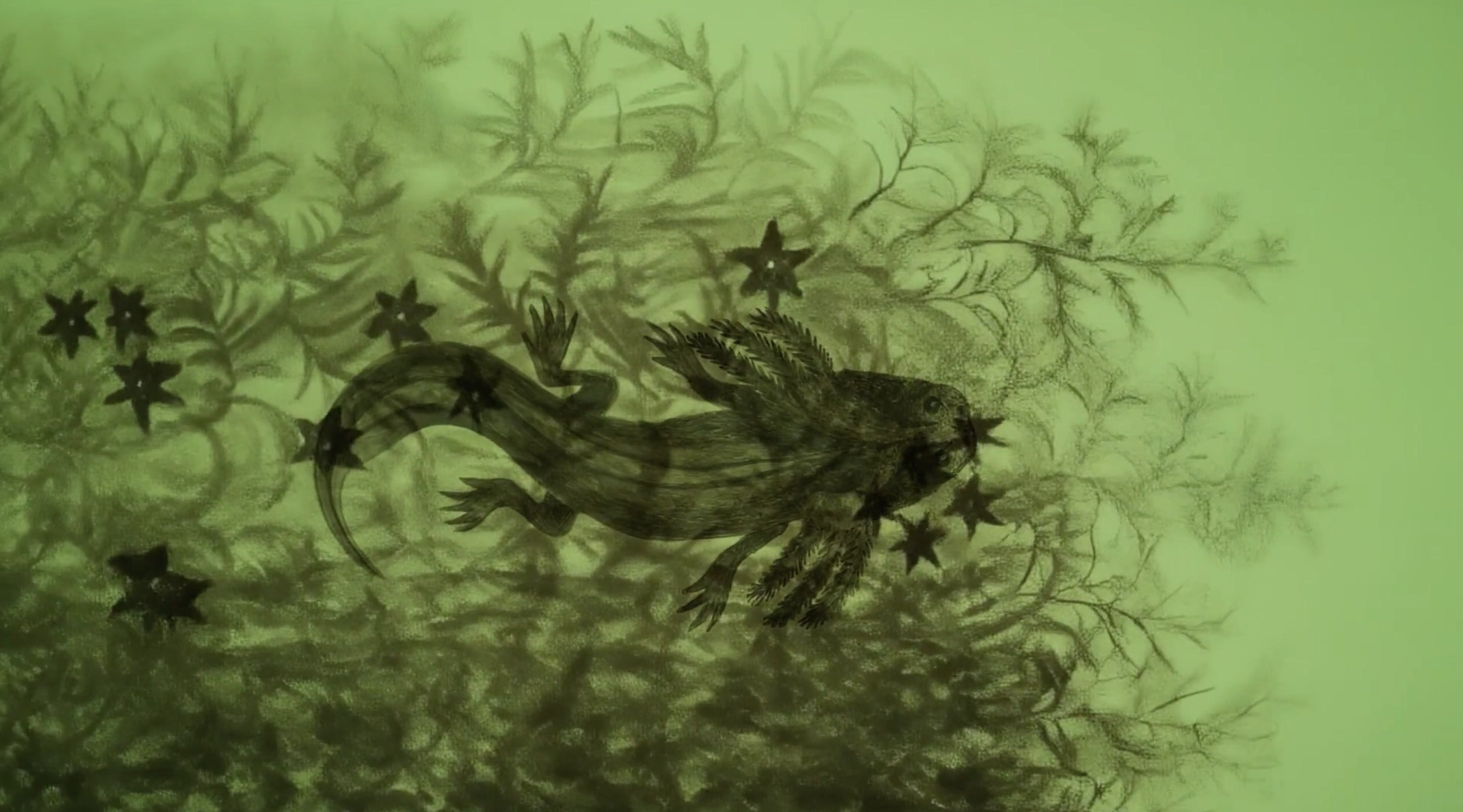
TONO is collaborating with Museo Jumex on an afternoon speaker event to coincide with Melanie Smith’s project at Museo Jumex. A Time of Freedom in Which the World Had Been Possible is a video installation commissioned by Museo Jumex and Museo de Arte de Zapopan (MAZ) by the British-Mexican artist Melanie Smith. Its title comes from a phrase in the short story “Axolotl” by the writer Julio Cortázar, and serves to present Smith’s own interpretation and approach to these amphibians. Faced with the questions of painting and representation, the artist studied axolotls in collaboration with the biologist Eria Rebollar and curator Helena Chávez MacGregor, attempting to discern what kind of image of them may be produced today.
Axolotls were represented in codices since Mesoamerican times and were studied, among others and very notably, by the painter José María Velasco. They also appear in the Cárcamo de Dolores, Diego Rivera’s hydraulic-engineering mural, and were an obsession for the Surrealist artist Wolfgang Paalen. In these images, axolotls appear as deity, object of naturalist investigation, symbol, or allegory. Today, even as they are going extinct in their natural habitat, the image of the axolotl is spreading exponentially on banknotes, dolls, t-shirts, keychains, and visual culture, as a cultural commodity and as part of the imaginary of Mexico City’s identity.
Smith is intrigued by axolotls as surface: as a site of negotiation from the membranes, between the internal and the external, between different scales, as a projection screen that inevitably eludes any fixed identity. With this exhibition, Smith proposes an animation that speculates on a world where axolotls float beyond
aquariums and bodies of water, while on the other hand, the viewer—in a sort of control room, like those gazing out into outer space—contemplates a series of visual records without knowing whether the amphibians are inside or outside, whether they belong to this world, or if it is something remote or yet to come. In doing so, Smith invites us to imagine a time of freedom in which the world had been possible.Exhibition organized by Museo Jumex
Curated by Helena Chávez Mac Gregor, guest curator.Melanie Smith is a member of the Sistema Nacional de Creadores.
Helena Chávez Mac Gregor is a researcher at the Instituto de Investigaciones Estéticas at UNAM.As part of TONO Festival, there will be a series of talks from 12 – 2 pm on March 14th.
-
Sound Installation
Space Afrika: Ambient Installation
Casa del Lago -
Copy event URL
Dates:
March 13 - 22
Venue:
Casa del Lago
From March 13 to 22, Space Afrika will present an ambient piece at Espacio Sonoro at Casa del Lago UNAM
The untitled piece highlights the English duo’s extensive musical background, subtly blending experimental ambient, dub, and techno, among other contemporary sound trends. The result is a delicate balance of layers and textures that interact organically with the surroundings, integrating with the sounds of birds, animals, and people passing through the venue, thereby expanding the site-specific listening experience.
Space Afrika, the duo of Joshua Tarelle Reid and Joshua Inyang, is considered innovative in electronic music, as they fuse genres such as UK dance, ambient, alternative, trip-hop, and pop, as well as classical, contemporary, and experimental music. As producers, contemporary composers, visual artists, performers, and hosts of NTS Radio, Tarelle and Inyang are recognized for their sound that defies genre categories. The duo has released two critically acclaimed albums: Somewhere Decent to Live (sferic, 2018) and Honest Labour (Dais Records, 2021); the latter topped Resident Advisor’s Album of the Year list and received two nominations in DJ Mag for Best Live Act and Best Album.
The piece is activated at certain times:
Friday, March 13 | 1:00 PM and 4:00 PM
Saturday, March 14 | 1:00 PM and 4:00 PM
Sunday, March 15 | 1:00 PM and 4:00 PM
Thursday, March 19 | 1:00 PM and 4:00 PM
Friday, March 20 | 1:00 PM and 4:00 PM
Saturday, March 21 | 1:00 PM and 4:00 PM
Sunday, March 22 | 1:00 PM and 4:00 PM
Sunday, Mar.15
-
Exhibition
Ho Tzu Nyen: Hotel Aporia
Museo Amparo -
Copy event URL
Dates:
March 4 - April 27 This exhibition will extend beyond the dates of TONO Festival 2026
Venue:
Museo Amparo
Time: Museum Hours
Admission: Museum Admission
Singaporean artist Ho Tzu Nyen’s multichannel video-installation Hotel Aporia (2019) transforms a series of galleries at the Museo Amparo into a ryokan or Japanese Inn. Filling the fictitious World War II “Hotel Aporia” with conversations from figures across time–the inn-keeper at the Kiraku-Tei where the project was first staged, World War II kamikaze pilots, philosophers of the Kyoto School, the late filmmakers Ryuichi Yokoyama and Yasujiro Ozu, and the artist and his team of collaborators, Ho brings together a multiplicity of voices to explore a historical moment in Japanese history when nationalism and cultural production intersected to serve imperial interests. In threading historic characters with contemporary figures, Ho offers a perspective on history that is always present in an ever-evolving process of recycling and transformation.
Ho first imagined this work for the 2019 Aichi Triennale as a site-specific response to a traditional inn that was built in Toyota City, Aichi Prefecture, during the Taisho period. While it was frequented by those in the silk business before World War II and by Toyota’s automobile industry afterward, it hosted the last banquet for the Kusanagi Unit, a squadron of kamikaze pilots from the Nagoya Navy Air Corps, before their fatal mission to Okinawa. Following the war, their families gathered at the inn for a final celebration of mourning. The installation brings together images from documentary films of that period, as well as scenes from Ozu and Yokoyama. As part of propaganda missions, Ozu was drafted into the Japanese Imperial Army and sent to Singapore to make films, while Yokoyama was sent to Indonesia. While Ozu never finished his film and scenes from his 1949 work Late Spring are included here, Yokoyama created Fuku-chan’s Submarine (1944), in which the character Fuku-chan, who appears in the installation, is sent to war on a submarine.
In addition to stitching these visual sources together, Ho obfuscates the characters’ faces and blows artificial wind throughout the galleries, creating a historical collage and a sensation of whirring through time. It becomes easier to imagine characters throughout history and even contemporary faces filling the frames–an artistic move which collapses the past and the present into one. While Ho presents catastrophic moments in a specific imperial history, he does not allow us to leave the history in the past; he illuminates how the present is entangled with these traces. As we walk further into the work and traverse the four chapters–“The Waves,” “The Wind,” “The Void,” and “The Children”–we also learn about the East Asian perspective on emptiness not as a lack but rather as pure possibility.
-
Sound Installation
Space Afrika: Ambient Installation
Casa del Lago -
Copy event URL
Dates:
March 13 - 22
Venue:
Casa del Lago
From March 13 to 22, Space Afrika will present an ambient piece at Espacio Sonoro at Casa del Lago UNAM
The untitled piece highlights the English duo’s extensive musical background, subtly blending experimental ambient, dub, and techno, among other contemporary sound trends. The result is a delicate balance of layers and textures that interact organically with the surroundings, integrating with the sounds of birds, animals, and people passing through the venue, thereby expanding the site-specific listening experience.
Space Afrika, the duo of Joshua Tarelle Reid and Joshua Inyang, is considered innovative in electronic music, as they fuse genres such as UK dance, ambient, alternative, trip-hop, and pop, as well as classical, contemporary, and experimental music. As producers, contemporary composers, visual artists, performers, and hosts of NTS Radio, Tarelle and Inyang are recognized for their sound that defies genre categories. The duo has released two critically acclaimed albums: Somewhere Decent to Live (sferic, 2018) and Honest Labour (Dais Records, 2021); the latter topped Resident Advisor’s Album of the Year list and received two nominations in DJ Mag for Best Live Act and Best Album.
The piece is activated at certain times:
Friday, March 13 | 1:00 PM and 4:00 PM
Saturday, March 14 | 1:00 PM and 4:00 PM
Sunday, March 15 | 1:00 PM and 4:00 PM
Thursday, March 19 | 1:00 PM and 4:00 PM
Friday, March 20 | 1:00 PM and 4:00 PM
Saturday, March 21 | 1:00 PM and 4:00 PM
Sunday, March 22 | 1:00 PM and 4:00 PM
Monday, Mar.16
-
Exhibition
Ho Tzu Nyen: Hotel Aporia
Museo Amparo -
Dates:
March 4 - April 27 This exhibition will extend beyond the dates of TONO Festival 2026
Copy event URL
Venues:
Museo Amparo
Time: Museum Hours
Admission: Museum Admission
Singaporean artist Ho Tzu Nyen’s multichannel video-installation Hotel Aporia (2019) transforms a series of galleries at the Museo Amparo into a ryokan or Japanese Inn. Filling the fictitious World War II “Hotel Aporia” with conversations from figures across time–the inn-keeper at the Kiraku-Tei where the project was first staged, World War II kamikaze pilots, philosophers of the Kyoto School, the late filmmakers Ryuichi Yokoyama and Yasujiro Ozu, and the artist and his team of collaborators, Ho brings together a multiplicity of voices to explore a historical moment in Japanese history when nationalism and cultural production intersected to serve imperial interests. In threading historic characters with contemporary figures, Ho offers a perspective on history that is always present in an ever-evolving process of recycling and transformation.
Ho first imagined this work for the 2019 Aichi Triennale as a site-specific response to a traditional inn that was built in Toyota City, Aichi Prefecture, during the Taisho period. While it was frequented by those in the silk business before World War II and by Toyota’s automobile industry afterward, it hosted the last banquet for the Kusanagi Unit, a squadron of kamikaze pilots from the Nagoya Navy Air Corps, before their fatal mission to Okinawa. Following the war, their families gathered at the inn for a final celebration of mourning. The installation brings together images from documentary films of that period, as well as scenes from Ozu and Yokoyama. As part of propaganda missions, Ozu was drafted into the Japanese Imperial Army and sent to Singapore to make films, while Yokoyama was sent to Indonesia. While Ozu never finished his film and scenes from his 1949 work Late Spring are included here, Yokoyama created Fuku-chan’s Submarine (1944), in which the character Fuku-chan, who appears in the installation, is sent to war on a submarine.
In addition to stitching these visual sources together, Ho obfuscates the characters’ faces and blows artificial wind throughout the galleries, creating a historical collage and a sensation of whirring through time. It becomes easier to imagine characters throughout history and even contemporary faces filling the frames–an artistic move which collapses the past and the present into one. While Ho presents catastrophic moments in a specific imperial history, he does not allow us to leave the history in the past; he illuminates how the present is entangled with these traces. As we walk further into the work and traverse the four chapters–“The Waves,” “The Wind,” “The Void,” and “The Children”–we also learn about the East Asian perspective on emptiness not as a lack but rather as pure possibility.
Tuesday, Mar.17
-
Exhibition
Ho Tzu Nyen: Hotel Aporia
Museo Amparo -
Copy event URL
Dates:
March 4 - April 27 This exhibition will extend beyond the dates of TONO Festival 2026
Venue:
Museo Amparo
Time: Museum Hours
Admission: Museum Admission
Singaporean artist Ho Tzu Nyen’s multichannel video-installation Hotel Aporia (2019) transforms a series of galleries at the Museo Amparo into a ryokan or Japanese Inn. Filling the fictitious World War II “Hotel Aporia” with conversations from figures across time–the inn-keeper at the Kiraku-Tei where the project was first staged, World War II kamikaze pilots, philosophers of the Kyoto School, the late filmmakers Ryuichi Yokoyama and Yasujiro Ozu, and the artist and his team of collaborators, Ho brings together a multiplicity of voices to explore a historical moment in Japanese history when nationalism and cultural production intersected to serve imperial interests. In threading historic characters with contemporary figures, Ho offers a perspective on history that is always present in an ever-evolving process of recycling and transformation.
Ho first imagined this work for the 2019 Aichi Triennale as a site-specific response to a traditional inn that was built in Toyota City, Aichi Prefecture, during the Taisho period. While it was frequented by those in the silk business before World War II and by Toyota’s automobile industry afterward, it hosted the last banquet for the Kusanagi Unit, a squadron of kamikaze pilots from the Nagoya Navy Air Corps, before their fatal mission to Okinawa. Following the war, their families gathered at the inn for a final celebration of mourning. The installation brings together images from documentary films of that period, as well as scenes from Ozu and Yokoyama. As part of propaganda missions, Ozu was drafted into the Japanese Imperial Army and sent to Singapore to make films, while Yokoyama was sent to Indonesia. While Ozu never finished his film and scenes from his 1949 work Late Spring are included here, Yokoyama created Fuku-chan’s Submarine (1944), in which the character Fuku-chan, who appears in the installation, is sent to war on a submarine.
In addition to stitching these visual sources together, Ho obfuscates the characters’ faces and blows artificial wind throughout the galleries, creating a historical collage and a sensation of whirring through time. It becomes easier to imagine characters throughout history and even contemporary faces filling the frames–an artistic move which collapses the past and the present into one. While Ho presents catastrophic moments in a specific imperial history, he does not allow us to leave the history in the past; he illuminates how the present is entangled with these traces. As we walk further into the work and traverse the four chapters–“The Waves,” “The Wind,” “The Void,” and “The Children”–we also learn about the East Asian perspective on emptiness not as a lack but rather as pure possibility.
-
Sound Installation
Space Afrika: Ambient Installation
Casa del Lago -
Copy event URL
Dates:
March 13 - 22
Venue:
Casa del Lago
From March 13 to 22, Space Afrika will present an ambient piece at Espacio Sonoro at Casa del Lago UNAM
The untitled piece highlights the English duo’s extensive musical background, subtly blending experimental ambient, dub, and techno, among other contemporary sound trends. The result is a delicate balance of layers and textures that interact organically with the surroundings, integrating with the sounds of birds, animals, and people passing through the venue, thereby expanding the site-specific listening experience.
Space Afrika, the duo of Joshua Tarelle Reid and Joshua Inyang, is considered innovative in electronic music, as they fuse genres such as UK dance, ambient, alternative, trip-hop, and pop, as well as classical, contemporary, and experimental music. As producers, contemporary composers, visual artists, performers, and hosts of NTS Radio, Tarelle and Inyang are recognized for their sound that defies genre categories. The duo has released two critically acclaimed albums: Somewhere Decent to Live (sferic, 2018) and Honest Labour (Dais Records, 2021); the latter topped Resident Advisor’s Album of the Year list and received two nominations in DJ Mag for Best Live Act and Best Album.
The piece is activated at certain times:
Friday, March 13 | 1:00 PM and 4:00 PM
Saturday, March 14 | 1:00 PM and 4:00 PM
Sunday, March 15 | 1:00 PM and 4:00 PM
Thursday, March 19 | 1:00 PM and 4:00 PM
Friday, March 20 | 1:00 PM and 4:00 PM
Saturday, March 21 | 1:00 PM and 4:00 PM
Sunday, March 22 | 1:00 PM and 4:00 PM
-
Workshop
Workshop: Alessandro Sciarroni: Save the Last Dance for Me
Museo Universitario del Chopo -
Copy event URL
Dates:
March 17 & 18
Venue:
Museo Universitario del Chopo
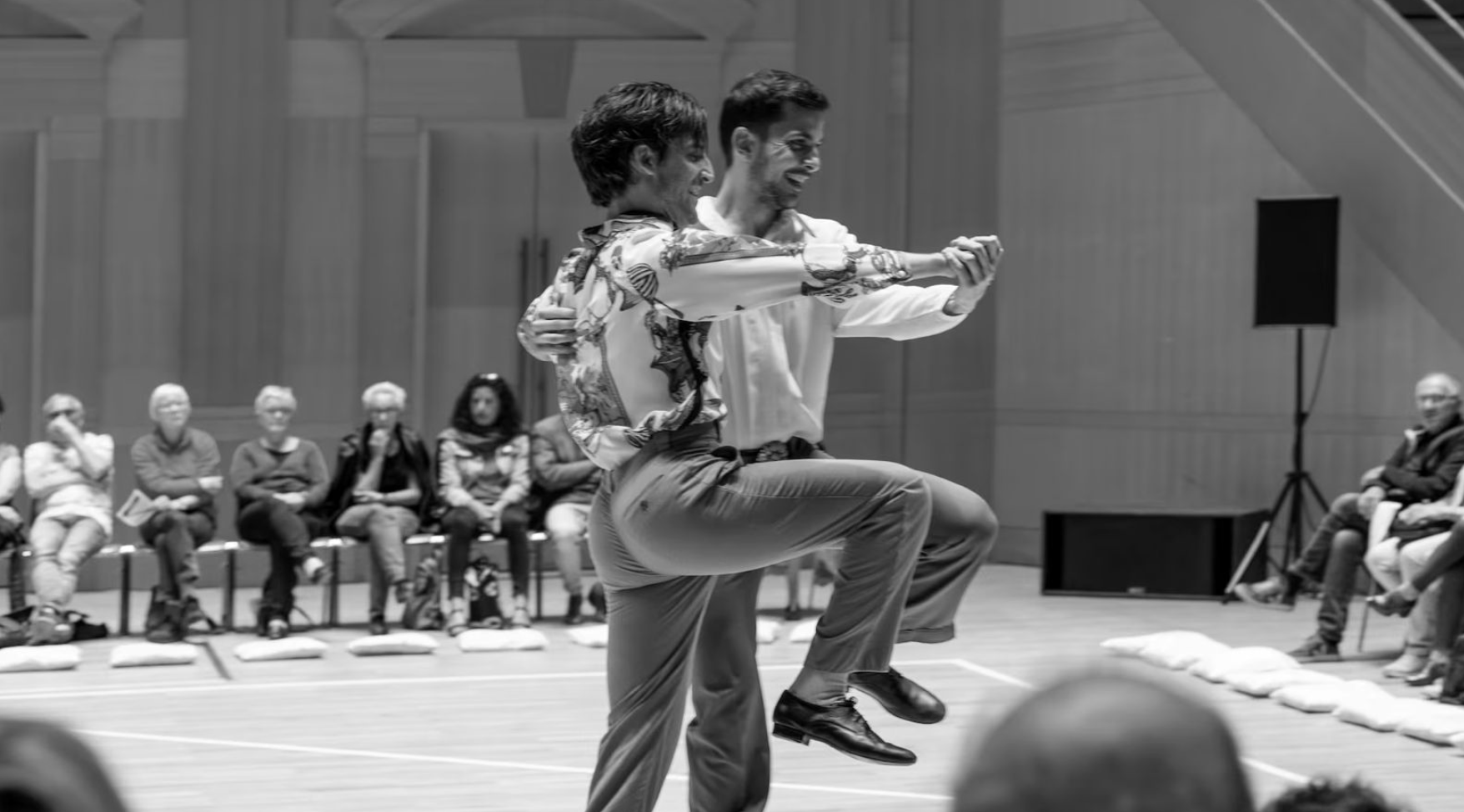
Time: 4 – 6 pm
Admission: Free
As part of the presentation of Alessandro Sciarroni’s performance Save the Last Dance for Me, he is offering a free workshop.
Space is limited. For any questions email info@tonofestival.com
Dating back to the early 20th century, it is a courtship dance typically performed by men, who embrace and spin while bending their knees to the ground. Sciarroni created a duet performance and a series of transmission workshops to promote and revive this tradition, which was once very popular but is now in danger of extinction. This presentation and workshop is supported by Dance Reflection by Van Cleef & Arpels.
Wednesday, Mar.18
-
Performance
Alessandro Sciarroni: Save the Last Dance for Me
Museo Universitario del Chopo -
Copy event URL
Dates:
March 18
Venue:
Museo Universitario del Chopo
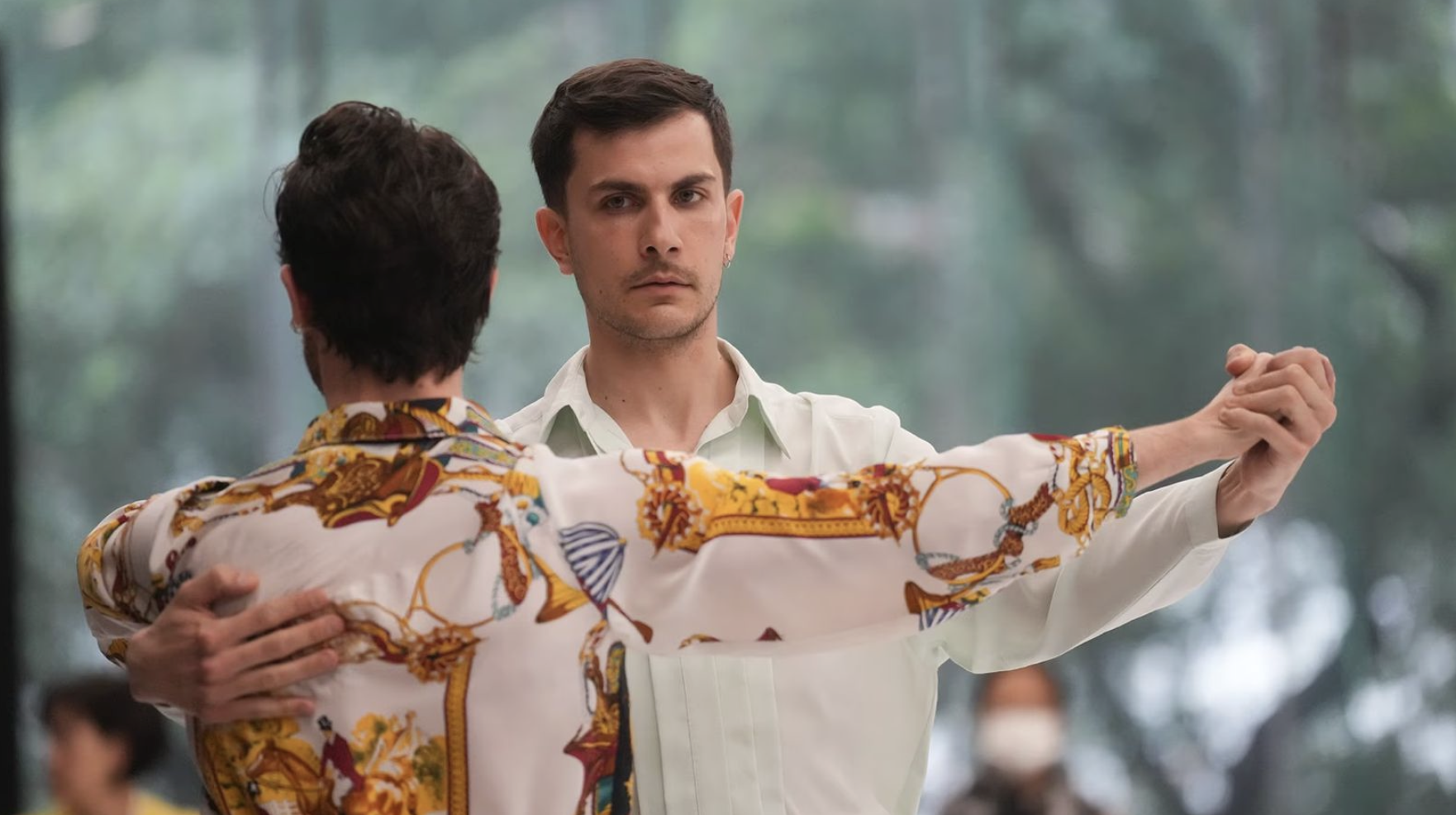
Time: 1 – 1:30 pm
Admission: Free
Save the Last Dance for Me is a creation by Alessandro Sciarroni that explores the Polka Chinata, an Italian folk dance.
Dating back to the early 20th century, it is a courtship dance typically performed by men, who embrace and spin while bending their knees to the ground. Sciarroni created a duet performance and a series of transmission workshops to promote and revive this tradition, which was once very popular but is now in danger of extinction. This presentation is supported by Dance Reflection by Van Cleef & Arpels.
Concept ALESSANDRO SCIARRONI
With GIANMARIA BORZILLO and GIOVANFRANSCECO GIANNINI
Artistic collaboration GIANCARLO STAGNI
Music AURORA BAUZÀ and PERE JOU (TELEMANN REC.)
Styling ETTORE LOMBARDI
Technical direction VALERIA FOTI
Tour technician COSIMO MAGGINI
Curator, promotion, and consulting LISA GILARDINO
Administration and executive production CHIARA FAVA
Communication PIERPAOLO FERLAINO
Production MARCHE TEATRO Teatro di Rilevante Interesse Culturale (IT)
Co-production Santarcangelo Festival (IT) | B.Motion (IT) | Festival Danza Urbana (IT)
-
Exhibition
Ho Tzu Nyen: Hotel Aporia
Museo Amparo -
Copy event URL
Dates:
March 4 - April 27 This exhibition will extend beyond the dates of TONO Festival 2026
Venue:
Museo Amparo
Time: Museum Hours
Admission: Museum Admission
Singaporean artist Ho Tzu Nyen’s multichannel video-installation Hotel Aporia (2019) transforms a series of galleries at the Museo Amparo into a ryokan or Japanese Inn. Filling the fictitious World War II “Hotel Aporia” with conversations from figures across time–the inn-keeper at the Kiraku-Tei where the project was first staged, World War II kamikaze pilots, philosophers of the Kyoto School, the late filmmakers Ryuichi Yokoyama and Yasujiro Ozu, and the artist and his team of collaborators, Ho brings together a multiplicity of voices to explore a historical moment in Japanese history when nationalism and cultural production intersected to serve imperial interests. In threading historic characters with contemporary figures, Ho offers a perspective on history that is always present in an ever-evolving process of recycling and transformation.
Ho first imagined this work for the 2019 Aichi Triennale as a site-specific response to a traditional inn that was built in Toyota City, Aichi Prefecture, during the Taisho period. While it was frequented by those in the silk business before World War II and by Toyota’s automobile industry afterward, it hosted the last banquet for the Kusanagi Unit, a squadron of kamikaze pilots from the Nagoya Navy Air Corps, before their fatal mission to Okinawa. Following the war, their families gathered at the inn for a final celebration of mourning. The installation brings together images from documentary films of that period, as well as scenes from Ozu and Yokoyama. As part of propaganda missions, Ozu was drafted into the Japanese Imperial Army and sent to Singapore to make films, while Yokoyama was sent to Indonesia. While Ozu never finished his film and scenes from his 1949 work Late Spring are included here, Yokoyama created Fuku-chan’s Submarine (1944), in which the character Fuku-chan, who appears in the installation, is sent to war on a submarine.
In addition to stitching these visual sources together, Ho obfuscates the characters’ faces and blows artificial wind throughout the galleries, creating a historical collage and a sensation of whirring through time. It becomes easier to imagine characters throughout history and even contemporary faces filling the frames–an artistic move which collapses the past and the present into one. While Ho presents catastrophic moments in a specific imperial history, he does not allow us to leave the history in the past; he illuminates how the present is entangled with these traces. As we walk further into the work and traverse the four chapters–“The Waves,” “The Wind,” “The Void,” and “The Children”–we also learn about the East Asian perspective on emptiness not as a lack but rather as pure possibility.
-
Sound Installation
Space Afrika: Ambient Installation
Casa del Lago -
Copy event URL
Dates:
March 13 - 22
Venue:
Casa del Lago
From March 13 to 22, Space Afrika will present an ambient piece at Espacio Sonoro at Casa del Lago UNAM
The untitled piece highlights the English duo’s extensive musical background, subtly blending experimental ambient, dub, and techno, among other contemporary sound trends. The result is a delicate balance of layers and textures that interact organically with the surroundings, integrating with the sounds of birds, animals, and people passing through the venue, thereby expanding the site-specific listening experience.
Space Afrika, the duo of Joshua Tarelle Reid and Joshua Inyang, is considered innovative in electronic music, as they fuse genres such as UK dance, ambient, alternative, trip-hop, and pop, as well as classical, contemporary, and experimental music. As producers, contemporary composers, visual artists, performers, and hosts of NTS Radio, Tarelle and Inyang are recognized for their sound that defies genre categories. The duo has released two critically acclaimed albums: Somewhere Decent to Live (sferic, 2018) and Honest Labour (Dais Records, 2021); the latter topped Resident Advisor’s Album of the Year list and received two nominations in DJ Mag for Best Live Act and Best Album.
The piece is activated at certain times:
Friday, March 13 | 1:00 PM and 4:00 PM
Saturday, March 14 | 1:00 PM and 4:00 PM
Sunday, March 15 | 1:00 PM and 4:00 PM
Thursday, March 19 | 1:00 PM and 4:00 PM
Friday, March 20 | 1:00 PM and 4:00 PM
Saturday, March 21 | 1:00 PM and 4:00 PM
Sunday, March 22 | 1:00 PM and 4:00 PM
-
Screenings
TONO x Bangkok Kunsthalle Screenings: Jeanne Penjan Lassus
Museo Amparo -
Copy event URL
Dates:
March 18
Venue:
Museo Amparo
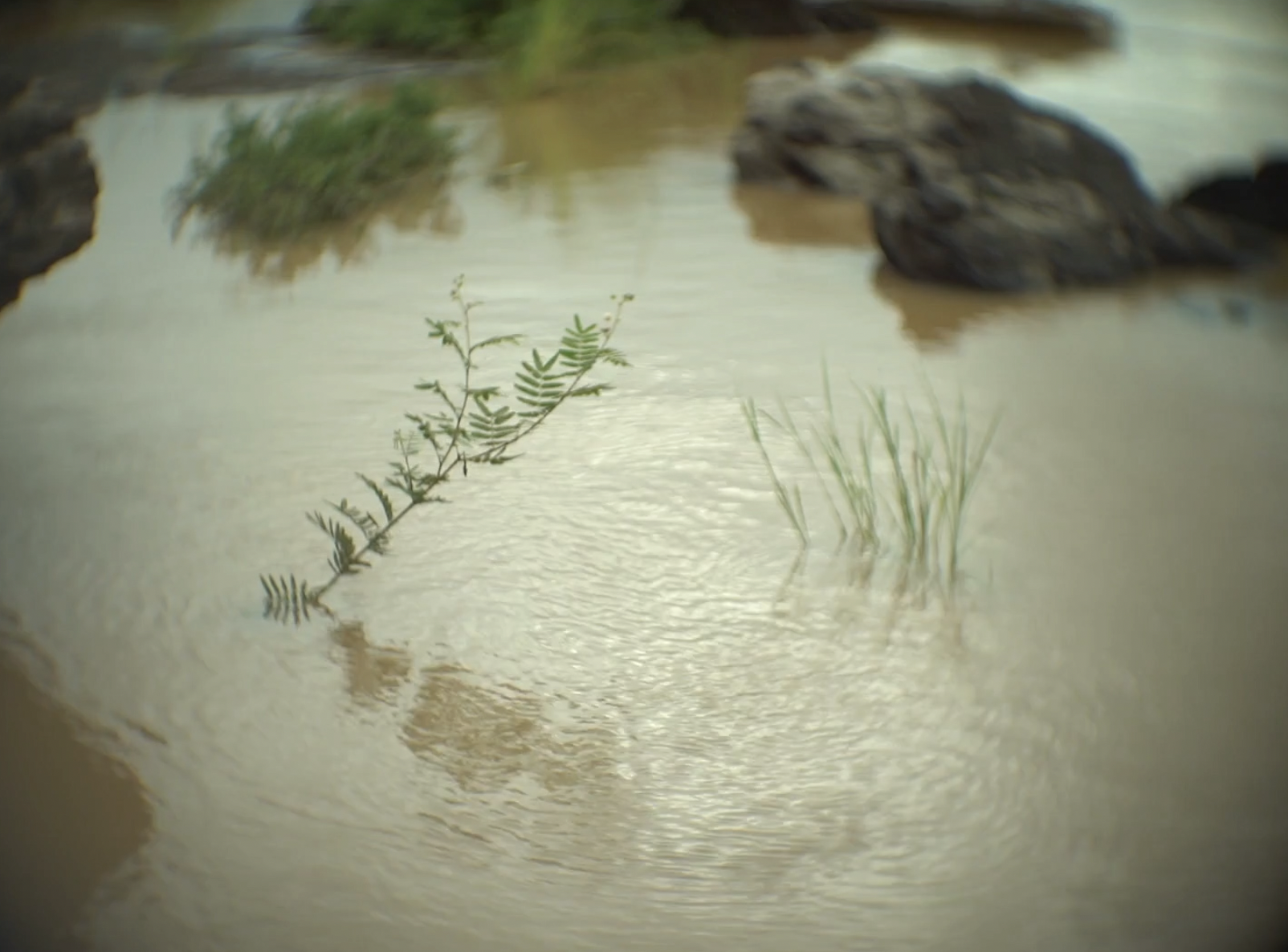
Time: 1 pm
Admission: Free
At each festival, TONO collaborates with an international museum on screening programs. TONO has worked with the MMCA in Seoul, MoMA in New York, and PAMM in Miami. This year, organized in collaboration with Bangkok Kunsthalle moving image curator Rosalia Namsai Engchuan, this program features two moving image works by Bangkok-based artist Jeanne Penjan Lassus: a part of us exposed (2025) and What sways (2024).
A part of us exposed (2025) draws inspiration from Audre Lorde’s poem Contact Lenses, and invites us to peer deep into our eyes. To feel the distance that exists within sight itself—the layers and space that separates what lays in front of us from what gets imprinted onto our retina, and translated into our mind. To feel that distance, and to feel it disappear. Shot in Isaan, the northeastern region of Thailand, along the Mekong River, What sways tries to attune the viewer to the pace of the riverside. Adopting different points of view—embodied then floating; a creature’s, a human’s, a plant’s—the audience comes to inhabit the liminal space through different forms.
The screening will be introduced by the curator and followed by a Q&A with the artist.
-
Workshop
Workshop: Alessandro Sciarroni: Save the Last Dance for Me
Museo Universitario del Chopo -
Copy event URL
Dates:
March 17 & 18
Venue:
Museo Universitario del Chopo
Time: 4 – 6 pm
Admission: Free
As part of the presentation of Alessandro Sciarroni’s performance Save the Last Dance for Me, he is offering a free workshop.
Space is limited. For any questions email info@tonofestival.com
Dating back to the early 20th century, it is a courtship dance typically performed by men, who embrace and spin while bending their knees to the ground. Sciarroni created a duet performance and a series of transmission workshops to promote and revive this tradition, which was once very popular but is now in danger of extinction. This presentation and workshop is supported by Dance Reflection by Van Cleef & Arpels.
Thursday, Mar.19
-
Performance
FRANKIE & Kelman Duran: McArthur
Casa del Lago -
Copy event URL
Dates:
March 19
Venue:
Casa del Lago
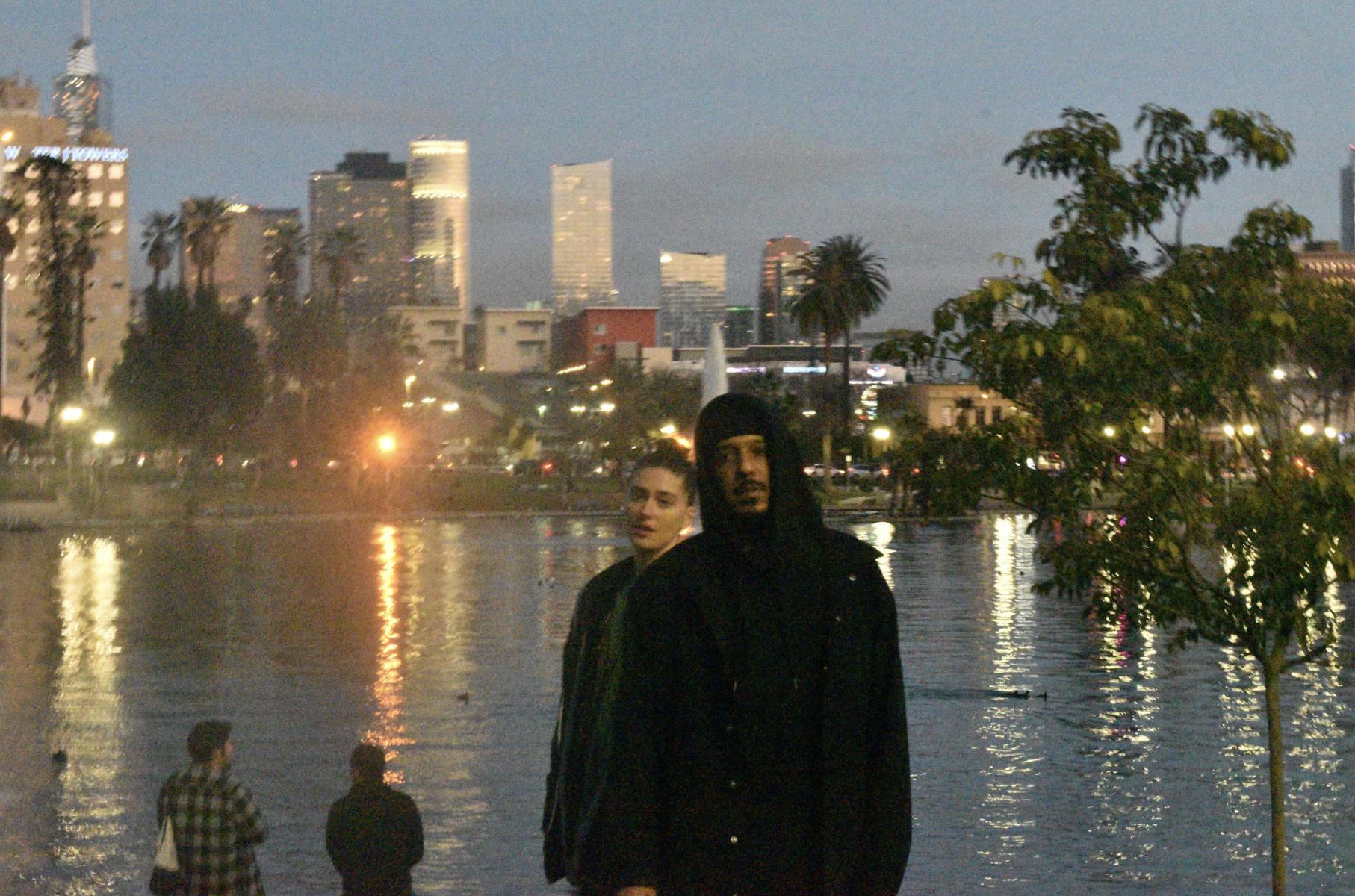
Time: 6 pm
Admission: Free
Berlin-based composer and vocalist FRANKIE, also known as Franziska Aigner, and Dominican-American producer Kelman Duran meet at the Twelve Apostles Church, in the Berlin district of Schöneberg, sometime in 2022, at the beginning of the spring season. They were each asked to engage the space’s solemnity, and its reverence, through distinct performances. Their chance encounter, abounding with mutual curiosity towards each other’s practices, smoothened the path for a years-long collaboration, culminating in McArthur, their first joint album. Following a period of exchanging musical fragments and prompts at a distance, Aigner and Duran come together in Athens, and later in Los Angeles, to prepare the stuff and material for the album, slowly developing a body of work informed by shared hauntings, and a commitment towards the disjointed and the residual. Aigner describes her process as writing “into the negative space” of Duran’s beats—filling in, if not invigorating, their thudding and inflections, but without rearranging the integrity of the whole. The result is an album where time and geography are made elastic, and where sonic improvisations become a site for quiet, and cryptic, articulations of intimacy.
There is, across McArthur, a stubborn, if not militant, refusal to arrive at completeness, and an insistence on finding potentiality in the thresholds. If unknowability and the fear of extinction appear to rule our present conjuncture, then an accompanying soundtrack worthy of its name should express a determined engagement with, and a generous attunement to, the contradictions at play.
-
Exhibition
Ho Tzu Nyen: Hotel Aporia
Museo Amparo -
Copy event URL
Dates:
March 4 - April 27 This exhibition will extend beyond the dates of TONO Festival 2026
Venue:
Museo Amparo
Time: Museum Hours
Admission: Museum Admission
Singaporean artist Ho Tzu Nyen’s multichannel video-installation Hotel Aporia (2019) transforms a series of galleries at the Museo Amparo into a ryokan or Japanese Inn. Filling the fictitious World War II “Hotel Aporia” with conversations from figures across time–the inn-keeper at the Kiraku-Tei where the project was first staged, World War II kamikaze pilots, philosophers of the Kyoto School, the late filmmakers Ryuichi Yokoyama and Yasujiro Ozu, and the artist and his team of collaborators, Ho brings together a multiplicity of voices to explore a historical moment in Japanese history when nationalism and cultural production intersected to serve imperial interests. In threading historic characters with contemporary figures, Ho offers a perspective on history that is always present in an ever-evolving process of recycling and transformation.
Ho first imagined this work for the 2019 Aichi Triennale as a site-specific response to a traditional inn that was built in Toyota City, Aichi Prefecture, during the Taisho period. While it was frequented by those in the silk business before World War II and by Toyota’s automobile industry afterward, it hosted the last banquet for the Kusanagi Unit, a squadron of kamikaze pilots from the Nagoya Navy Air Corps, before their fatal mission to Okinawa. Following the war, their families gathered at the inn for a final celebration of mourning. The installation brings together images from documentary films of that period, as well as scenes from Ozu and Yokoyama. As part of propaganda missions, Ozu was drafted into the Japanese Imperial Army and sent to Singapore to make films, while Yokoyama was sent to Indonesia. While Ozu never finished his film and scenes from his 1949 work Late Spring are included here, Yokoyama created Fuku-chan’s Submarine (1944), in which the character Fuku-chan, who appears in the installation, is sent to war on a submarine.
In addition to stitching these visual sources together, Ho obfuscates the characters’ faces and blows artificial wind throughout the galleries, creating a historical collage and a sensation of whirring through time. It becomes easier to imagine characters throughout history and even contemporary faces filling the frames–an artistic move which collapses the past and the present into one. While Ho presents catastrophic moments in a specific imperial history, he does not allow us to leave the history in the past; he illuminates how the present is entangled with these traces. As we walk further into the work and traverse the four chapters–“The Waves,” “The Wind,” “The Void,” and “The Children”–we also learn about the East Asian perspective on emptiness not as a lack but rather as pure possibility.
-
Sound Installation
Space Afrika: Ambient Installation
Casa del Lago -
Copy event URL
Dates:
March 13 - 22
Venue:
Casa del Lago
From March 13 to 22, Space Afrika will present an ambient piece at Espacio Sonoro at Casa del Lago UNAM
The untitled piece highlights the English duo’s extensive musical background, subtly blending experimental ambient, dub, and techno, among other contemporary sound trends. The result is a delicate balance of layers and textures that interact organically with the surroundings, integrating with the sounds of birds, animals, and people passing through the venue, thereby expanding the site-specific listening experience.
Space Afrika, the duo of Joshua Tarelle Reid and Joshua Inyang, is considered innovative in electronic music, as they fuse genres such as UK dance, ambient, alternative, trip-hop, and pop, as well as classical, contemporary, and experimental music. As producers, contemporary composers, visual artists, performers, and hosts of NTS Radio, Tarelle and Inyang are recognized for their sound that defies genre categories. The duo has released two critically acclaimed albums: Somewhere Decent to Live (sferic, 2018) and Honest Labour (Dais Records, 2021); the latter topped Resident Advisor’s Album of the Year list and received two nominations in DJ Mag for Best Live Act and Best Album.
The piece is activated at certain times:
Friday, March 13 | 1:00 PM and 4:00 PM
Saturday, March 14 | 1:00 PM and 4:00 PM
Sunday, March 15 | 1:00 PM and 4:00 PM
Thursday, March 19 | 1:00 PM and 4:00 PM
Friday, March 20 | 1:00 PM and 4:00 PM
Saturday, March 21 | 1:00 PM and 4:00 PM
Sunday, March 22 | 1:00 PM and 4:00 PM
Friday, Mar.20
-
Exhibition
Ho Tzu Nyen: Hotel Aporia
Museo Amparo -
Copy event URL
Dates:
March 4 - April 27 This exhibition will extend beyond the dates of TONO Festival 2026
Venue:
Museo Amparo
Time: Museum Hours
Admission: Museum Admission
Singaporean artist Ho Tzu Nyen’s multichannel video-installation Hotel Aporia (2019) transforms a series of galleries at the Museo Amparo into a ryokan or Japanese Inn. Filling the fictitious World War II “Hotel Aporia” with conversations from figures across time–the inn-keeper at the Kiraku-Tei where the project was first staged, World War II kamikaze pilots, philosophers of the Kyoto School, the late filmmakers Ryuichi Yokoyama and Yasujiro Ozu, and the artist and his team of collaborators, Ho brings together a multiplicity of voices to explore a historical moment in Japanese history when nationalism and cultural production intersected to serve imperial interests. In threading historic characters with contemporary figures, Ho offers a perspective on history that is always present in an ever-evolving process of recycling and transformation.
Ho first imagined this work for the 2019 Aichi Triennale as a site-specific response to a traditional inn that was built in Toyota City, Aichi Prefecture, during the Taisho period. While it was frequented by those in the silk business before World War II and by Toyota’s automobile industry afterward, it hosted the last banquet for the Kusanagi Unit, a squadron of kamikaze pilots from the Nagoya Navy Air Corps, before their fatal mission to Okinawa. Following the war, their families gathered at the inn for a final celebration of mourning. The installation brings together images from documentary films of that period, as well as scenes from Ozu and Yokoyama. As part of propaganda missions, Ozu was drafted into the Japanese Imperial Army and sent to Singapore to make films, while Yokoyama was sent to Indonesia. While Ozu never finished his film and scenes from his 1949 work Late Spring are included here, Yokoyama created Fuku-chan’s Submarine (1944), in which the character Fuku-chan, who appears in the installation, is sent to war on a submarine.
In addition to stitching these visual sources together, Ho obfuscates the characters’ faces and blows artificial wind throughout the galleries, creating a historical collage and a sensation of whirring through time. It becomes easier to imagine characters throughout history and even contemporary faces filling the frames–an artistic move which collapses the past and the present into one. While Ho presents catastrophic moments in a specific imperial history, he does not allow us to leave the history in the past; he illuminates how the present is entangled with these traces. As we walk further into the work and traverse the four chapters–“The Waves,” “The Wind,” “The Void,” and “The Children”–we also learn about the East Asian perspective on emptiness not as a lack but rather as pure possibility.
-
Performance
Rafael Lozano-Hemmer with Eli Kezler: Unfinished Garden
Museo de Arte Moderno -
Copy event URL
Dates:
March 20
Venue:
Museo de Arte Moderno
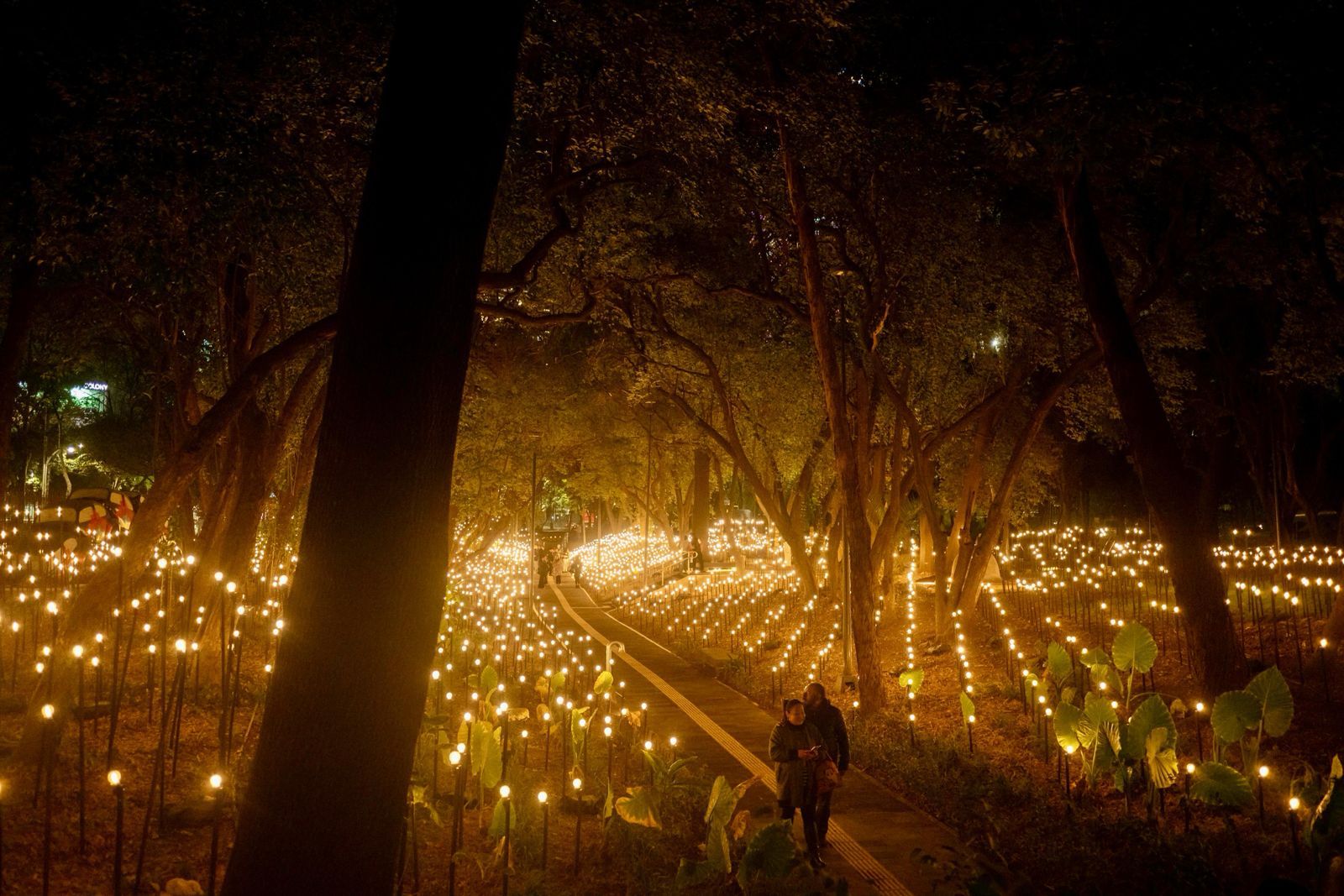
Time: 7:30 pm
Admission: with museum ticket
“Rafael Lozano-Hemmer: Unfinished Garden” runs from February 11 to April 25, 2026 at Museo de Arte Moderno Mexico (MAM). For this special night, Lozano-Hemmer will collaborate with Eli Keslzer on a musical activation of the work.
This major exhibition brings together nine interactive installations that respond to the heat, voice, pulse, and movement of the audience. Lozano-Hemmer makes perceptible invisible phenomena, such as thermal energy that disperses into wandering particles; the voice converted into patterns of sound and light or turbulent digital currents fed with poems in indigenous languages that were shared by their writers. In addition to the artist, twenty-one people participated in the creation of the project, which includes three previously unseen installations, as well as recent works that have been reconfigured to inhabit the MAM and engage in dialogue with its architecture, collection, and sculpture garden. The exhibition’s title points to its conceptual focus: the “unfinished,” understood more as a critical stance that rejects closure and totalization than as a deficiency. For the artist, the unfinished also represents hope.
“My works are characterized by being unfinished and out of control… They depend on participation to exist, and that can be profoundly revealing. Delegating responsibility to the public is a conceptual decision, but also a political one: an acknowledgment that meaning cannot be found without interaction,” he stated.
TONO is collaborating with the artist and museum on a special performance during the festival.
-
Sound Installation
Space Afrika: Ambient Installation
Casa del Lago -
Copy event URL
Dates:
March 13 - 22
Venue:
Casa del Lago
From March 13 to 22, Space Afrika will present an ambient piece at Espacio Sonoro at Casa del Lago UNAM
The untitled piece highlights the English duo’s extensive musical background, subtly blending experimental ambient, dub, and techno, among other contemporary sound trends. The result is a delicate balance of layers and textures that interact organically with the surroundings, integrating with the sounds of birds, animals, and people passing through the venue, thereby expanding the site-specific listening experience.
Space Afrika, the duo of Joshua Tarelle Reid and Joshua Inyang, is considered innovative in electronic music, as they fuse genres such as UK dance, ambient, alternative, trip-hop, and pop, as well as classical, contemporary, and experimental music. As producers, contemporary composers, visual artists, performers, and hosts of NTS Radio, Tarelle and Inyang are recognized for their sound that defies genre categories. The duo has released two critically acclaimed albums: Somewhere Decent to Live (sferic, 2018) and Honest Labour (Dais Records, 2021); the latter topped Resident Advisor’s Album of the Year list and received two nominations in DJ Mag for Best Live Act and Best Album.
The piece is activated at certain times:
Friday, March 13 | 1:00 PM and 4:00 PM
Saturday, March 14 | 1:00 PM and 4:00 PM
Sunday, March 15 | 1:00 PM and 4:00 PM
Thursday, March 19 | 1:00 PM and 4:00 PM
Friday, March 20 | 1:00 PM and 4:00 PM
Saturday, March 21 | 1:00 PM and 4:00 PM
Sunday, March 22 | 1:00 PM and 4:00 PM
Saturday, Mar.21
-
Exhibition
Ho Tzu Nyen: Hotel Aporia
Museo Amparo -
Copy event URL
Dates:
March 4 - April 27 This exhibition will extend beyond the dates of TONO Festival 2026
Venue:
Museo Amparo
Time: Museum Hours
Admission: Museum Admission
Singaporean artist Ho Tzu Nyen’s multichannel video-installation Hotel Aporia (2019) transforms a series of galleries at the Museo Amparo into a ryokan or Japanese Inn. Filling the fictitious World War II “Hotel Aporia” with conversations from figures across time–the inn-keeper at the Kiraku-Tei where the project was first staged, World War II kamikaze pilots, philosophers of the Kyoto School, the late filmmakers Ryuichi Yokoyama and Yasujiro Ozu, and the artist and his team of collaborators, Ho brings together a multiplicity of voices to explore a historical moment in Japanese history when nationalism and cultural production intersected to serve imperial interests. In threading historic characters with contemporary figures, Ho offers a perspective on history that is always present in an ever-evolving process of recycling and transformation.
Ho first imagined this work for the 2019 Aichi Triennale as a site-specific response to a traditional inn that was built in Toyota City, Aichi Prefecture, during the Taisho period. While it was frequented by those in the silk business before World War II and by Toyota’s automobile industry afterward, it hosted the last banquet for the Kusanagi Unit, a squadron of kamikaze pilots from the Nagoya Navy Air Corps, before their fatal mission to Okinawa. Following the war, their families gathered at the inn for a final celebration of mourning. The installation brings together images from documentary films of that period, as well as scenes from Ozu and Yokoyama. As part of propaganda missions, Ozu was drafted into the Japanese Imperial Army and sent to Singapore to make films, while Yokoyama was sent to Indonesia. While Ozu never finished his film and scenes from his 1949 work Late Spring are included here, Yokoyama created Fuku-chan’s Submarine (1944), in which the character Fuku-chan, who appears in the installation, is sent to war on a submarine.
In addition to stitching these visual sources together, Ho obfuscates the characters’ faces and blows artificial wind throughout the galleries, creating a historical collage and a sensation of whirring through time. It becomes easier to imagine characters throughout history and even contemporary faces filling the frames–an artistic move which collapses the past and the present into one. While Ho presents catastrophic moments in a specific imperial history, he does not allow us to leave the history in the past; he illuminates how the present is entangled with these traces. As we walk further into the work and traverse the four chapters–“The Waves,” “The Wind,” “The Void,” and “The Children”–we also learn about the East Asian perspective on emptiness not as a lack but rather as pure possibility.
-
Performance
Kiani Del Valle
Casa del Lago -
Copy event URL
Dates:
March 21
Venue:
Casa del Lago

Time: 6 pm
Admission: Free
Kiani del Valle will premiere the solo version of Mundos Rotos at Casa del Lago as part of TONO Festival. This first staging will integrate del Valle’s direction, choreography, and performance, accompanied by original live music composed and performed by Kelman Durán. This world premiere marks the first stage of the live performance version of this work – Mundos Rotos will be developed as an operatic ensemble piece within the framework of dance theater.
In Mundos Rotos (Broken Worlds), del Valle offers a profound reflection on the contemporary global condition, emphasizing the urgent need for mutual human connection, as well as the complex metaphysical and emotional relationships we maintain with the spatial and existential realities that surround us. Mundos Rotos began as a written essay that del Valle reinterpreted as a photographic essay with her company KDV Performance Group and then transformed into a performative piece for a soloist structured in three distinct acts that follow a thematic itinerary: from deconstructed and devastated landscapes, through a stage of urgent physical connection, to an outcome marked by detachment and the consequences of abandoning the bonds that unite us.
MUNDOS ROTOS (BROKEN WORLDS)
These worlds are broken; they are multiple, shattered, and lost,
and I still don’t know how we got here.
Broken worlds, whose cracks sink so deep
that when we walk, we fear falling into the abyss.
Every day is a solemn ritual:
With tired hands, we join this fragmented ground
to the souls that inhabit it, seeking to hold on to what remains.
These worlds are broken, torn apart by conflict and abandonment,
where the delicate balance of life has been shattered
by violence, loss, and the relentless passage of time.
Blinded by the noise and demands that trap us,
we fail to see the hearts of others,
or look into each other’s eyes to recognize ourselves.
These worlds bear the scars of forgotten promises,
broken relationships, and the relentless pursuit of power
that ignores the human cost.
And when they break, they reveal a deep vulnerability:
how fragile our connections are,
how incapable we are of healing together,
and how easily the threads that bind us unravel.
But hidden in that rupture is a silent testimony of resistance.
Can it blossom?
It is a silent call to recognize our shared wounds
and seek healing beyond the ruins.
Do we have the courage?
How deep does your love reach?
My love, our love.
I have missed you, and in that missing, I have lost myself.
Amidst so much debris, I cannot see you,
I cannot find myself in the reflection.
Are we souls willing to do the work?
In these shattered fragments, worlds collide and bleed,
dreams lie fractured under the weight of silence.
But from those cracks a faint light shines,
whispers of hope among the ruins,
reminding us that even in the rupture
the seed of rebirth is born,
the promise of a new beginning.
It is urgent that we look into each other’s eyes;
we cannot let time slip away from us.
— Kianí del Valle
-
Sound Installation
Space Afrika: Ambient Installation
Casa del Lago -
Copy event URL
Dates:
March 13 - 22
Venue:
Casa del Lago
From March 13 to 22, Space Afrika will present an ambient piece at Espacio Sonoro at Casa del Lago UNAM
The untitled piece highlights the English duo’s extensive musical background, subtly blending experimental ambient, dub, and techno, among other contemporary sound trends. The result is a delicate balance of layers and textures that interact organically with the surroundings, integrating with the sounds of birds, animals, and people passing through the venue, thereby expanding the site-specific listening experience.
Space Afrika, the duo of Joshua Tarelle Reid and Joshua Inyang, is considered innovative in electronic music, as they fuse genres such as UK dance, ambient, alternative, trip-hop, and pop, as well as classical, contemporary, and experimental music. As producers, contemporary composers, visual artists, performers, and hosts of NTS Radio, Tarelle and Inyang are recognized for their sound that defies genre categories. The duo has released two critically acclaimed albums: Somewhere Decent to Live (sferic, 2018) and Honest Labour (Dais Records, 2021); the latter topped Resident Advisor’s Album of the Year list and received two nominations in DJ Mag for Best Live Act and Best Album.
The piece is activated at certain times:
Friday, March 13 | 1:00 PM and 4:00 PM
Saturday, March 14 | 1:00 PM and 4:00 PM
Sunday, March 15 | 1:00 PM and 4:00 PM
Thursday, March 19 | 1:00 PM and 4:00 PM
Friday, March 20 | 1:00 PM and 4:00 PM
Saturday, March 21 | 1:00 PM and 4:00 PM
Sunday, March 22 | 1:00 PM and 4:00 PM
Sunday, Mar.22
-
Exhibition
Ho Tzu Nyen: Hotel Aporia
Museo Amparo -
Copy event URL
Dates:
March 4 - April 27 This exhibition will extend beyond the dates of TONO Festival 2026
Venue:
Museo Amparo
Time: Museum Hours
Admission: Museum Admission
Singaporean artist Ho Tzu Nyen’s multichannel video-installation Hotel Aporia (2019) transforms a series of galleries at the Museo Amparo into a ryokan or Japanese Inn. Filling the fictitious World War II “Hotel Aporia” with conversations from figures across time–the inn-keeper at the Kiraku-Tei where the project was first staged, World War II kamikaze pilots, philosophers of the Kyoto School, the late filmmakers Ryuichi Yokoyama and Yasujiro Ozu, and the artist and his team of collaborators, Ho brings together a multiplicity of voices to explore a historical moment in Japanese history when nationalism and cultural production intersected to serve imperial interests. In threading historic characters with contemporary figures, Ho offers a perspective on history that is always present in an ever-evolving process of recycling and transformation.
Ho first imagined this work for the 2019 Aichi Triennale as a site-specific response to a traditional inn that was built in Toyota City, Aichi Prefecture, during the Taisho period. While it was frequented by those in the silk business before World War II and by Toyota’s automobile industry afterward, it hosted the last banquet for the Kusanagi Unit, a squadron of kamikaze pilots from the Nagoya Navy Air Corps, before their fatal mission to Okinawa. Following the war, their families gathered at the inn for a final celebration of mourning. The installation brings together images from documentary films of that period, as well as scenes from Ozu and Yokoyama. As part of propaganda missions, Ozu was drafted into the Japanese Imperial Army and sent to Singapore to make films, while Yokoyama was sent to Indonesia. While Ozu never finished his film and scenes from his 1949 work Late Spring are included here, Yokoyama created Fuku-chan’s Submarine (1944), in which the character Fuku-chan, who appears in the installation, is sent to war on a submarine.
In addition to stitching these visual sources together, Ho obfuscates the characters’ faces and blows artificial wind throughout the galleries, creating a historical collage and a sensation of whirring through time. It becomes easier to imagine characters throughout history and even contemporary faces filling the frames–an artistic move which collapses the past and the present into one. While Ho presents catastrophic moments in a specific imperial history, he does not allow us to leave the history in the past; he illuminates how the present is entangled with these traces. As we walk further into the work and traverse the four chapters–“The Waves,” “The Wind,” “The Void,” and “The Children”–we also learn about the East Asian perspective on emptiness not as a lack but rather as pure possibility.
-
Sound Installation
Space Afrika: Ambient Installation
Casa del Lago -
Copy event URL
Dates:
March 13 - 22
Venue:
Casa del Lago
From March 13 to 22, Space Afrika will present an ambient piece at Espacio Sonoro at Casa del Lago UNAM
The untitled piece highlights the English duo’s extensive musical background, subtly blending experimental ambient, dub, and techno, among other contemporary sound trends. The result is a delicate balance of layers and textures that interact organically with the surroundings, integrating with the sounds of birds, animals, and people passing through the venue, thereby expanding the site-specific listening experience.
Space Afrika, the duo of Joshua Tarelle Reid and Joshua Inyang, is considered innovative in electronic music, as they fuse genres such as UK dance, ambient, alternative, trip-hop, and pop, as well as classical, contemporary, and experimental music. As producers, contemporary composers, visual artists, performers, and hosts of NTS Radio, Tarelle and Inyang are recognized for their sound that defies genre categories. The duo has released two critically acclaimed albums: Somewhere Decent to Live (sferic, 2018) and Honest Labour (Dais Records, 2021); the latter topped Resident Advisor’s Album of the Year list and received two nominations in DJ Mag for Best Live Act and Best Album.
The piece is activated at certain times:
Friday, March 13 | 1:00 PM and 4:00 PM
Saturday, March 14 | 1:00 PM and 4:00 PM
Sunday, March 15 | 1:00 PM and 4:00 PM
Thursday, March 19 | 1:00 PM and 4:00 PM
Friday, March 20 | 1:00 PM and 4:00 PM
Saturday, March 21 | 1:00 PM and 4:00 PM
Sunday, March 22 | 1:00 PM and 4:00 PM
-
Artist talk & toast
TONO Closing Celebration
Museo Casa Estudio Diego Rivera y Frida Kahlo -
Copy event URL
Dates:
March 22
Venue:
Museo Casa Estudio Diego Rivera y Frida Kahlo
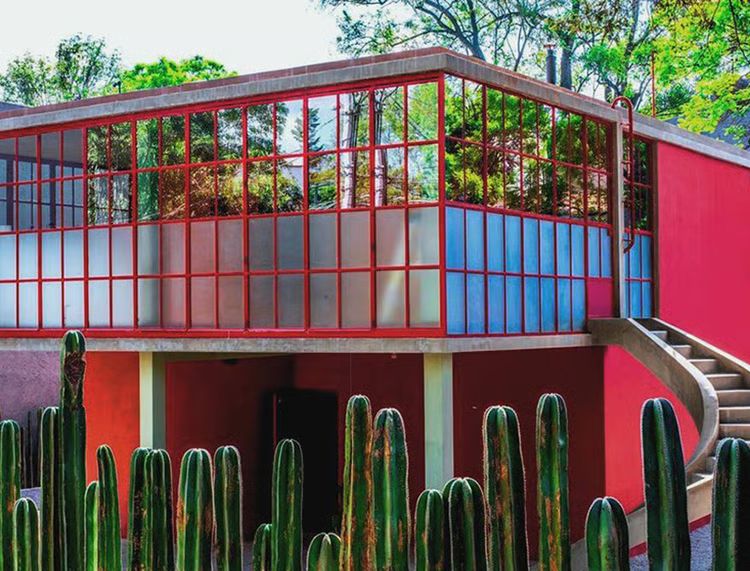
Time: 3 – 5 pm
Admission: Free
TONO announces a collaboration with Berlin’s Neue Nationalgalerie PERFORM! Festival as part of the 2026 TONO Festival closing program. As the final event of the festival, please join TONO director Sam Ozer and Neue Nationalgalerie Director Klaus Biesenbach at Museo Casa Estudio Diego Rivera y Frida Kahlo on Sunday, March 22nd, from 2-5 pm for a toast to mark the end of TONO in Mexico and look ahead to upcoming collaborations in Berlin.
At 4 pm, sit down with TONO 2026 artists Franziska Aigner (FRANKIE), Avantgardo, Kelman Duran, Eli Keszler, Jeanne Penjan Lassus, Rafael Lozano-Hemmer, Joshua Tarelle Reid (Space Afrika), and Kianí del Valle for a conversation with curators Sam Ozer and Fabiola Talavera.
Drinks are provided by 1800 Tequila.
VENUES
-
Casa De La Acequia
San Jerónimo 36, Centro Histórico de la Cdad. de México, Centro, Cuauhtémoc, 06080 Centro, CDMX -
Casa del Lago UNAM
OPENING HOURS
WED - SUN
11:00 - 18:00 HRS DIRECTIONS
Bosque de Chapultepec Primera Seccion S/N, San Miguel Chapultepec I Secc, Miguel Hidalgo, 11850 Ciudad de México -
La Laguna Bodega
OPENING HOURS
MON - SAT
08:00 - 19:00 HRS DIRECTIONS
C. Dr. Erazo 182, Doctores, Cuauhtémoc, 06720 Ciudad de México, CDMX, Mexico -
Museo de Arte Moderno (MAM)
OPENING HOURS
TUES - SUN
10:15 - 17:45 HRS DIRECTIONS
Paseo de la Reforma and Gandhi s/n first section, Bosque de Chapultepec, Miguel Hidalgo borough. Mexico City. CP 11580. -
Museo Amparo, Puebla
OPENING HOURS
WED - MON
10:00 - 18:00 HRS DIRECTIONS
C. 2 Sur 708, Centro, 72000 Heroica Puebla de Zaragoza, Puebla -
Museo Casa Estudio Diego Rivera y Frida Kahlo
OPENING HOURS
TUES - SUN
10:00 - 17:30 HRS DIRECTIONS
Diego Rivera, Col. San Ángel Inn, Alcaldía Álvaro Obregón, Ciudad de México, C.P. 01060
-
Museo Jumex
OPENING HOURS
TUES - FRI
10:00 - 17:00
SAT
10:00 - 19:00
SUN
10:00 - 17:00
DIRECTIONS
Miguel de Cervantes Saavedra 303
Colonia Granada
11520 Mexico City -
Museo Universitario del Chopo UNAM
OPENING HOURS
WED - SUN
11:30 - 18:00 HRS DIRECTIONS
C. Dr. Enrique González Martínez 10-P. B, Sta María la Ribera, Cuauhtémoc, 06400 Ciudad de México, CDMX
NEWS
-
TONO Reveals 2026 Festival Lineup Across Mexico City and Puebla
Contact
Thanks
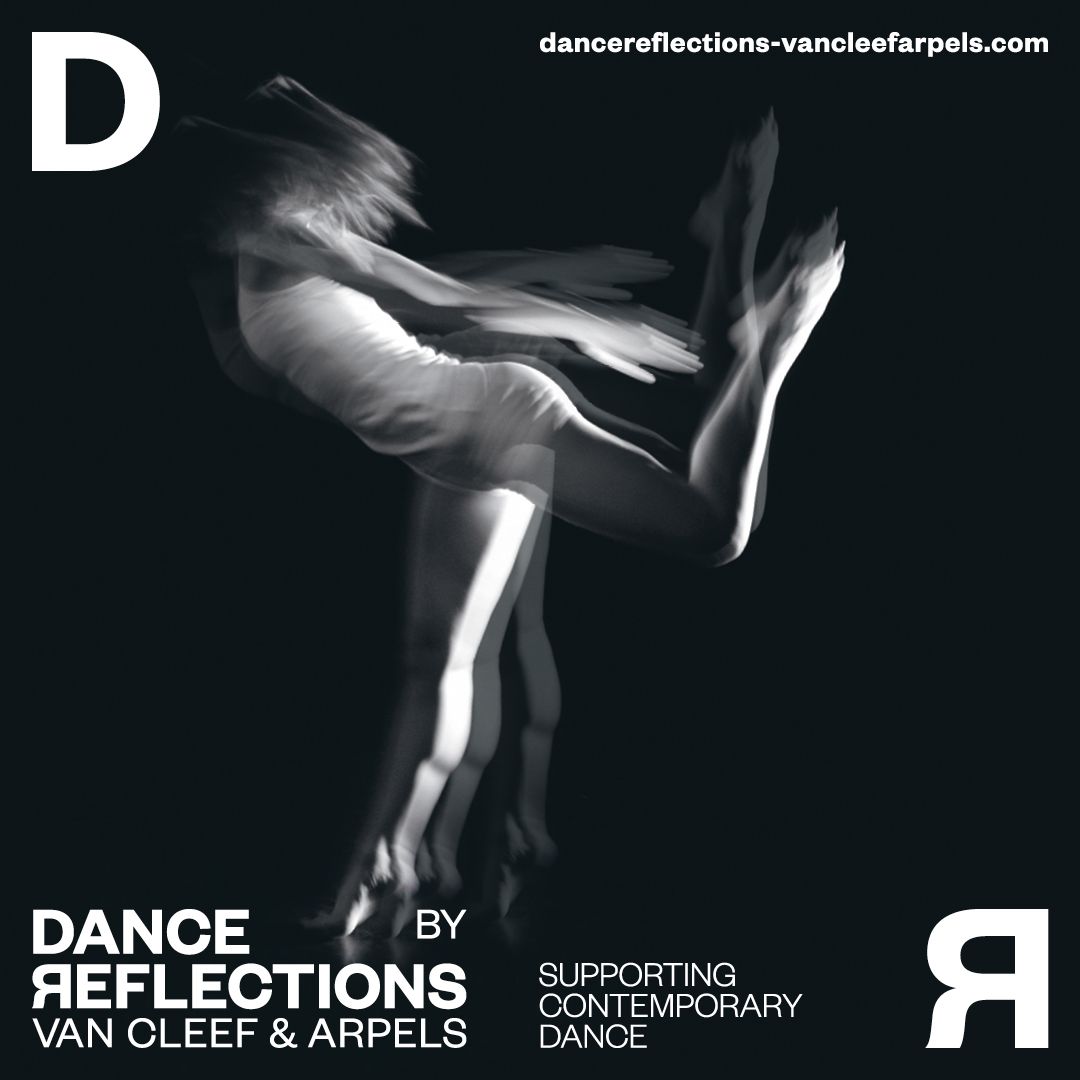


TONO thanks the Rosenkranz Foundation, Dance Reflections by Van Cleef & Arpels, Beth Swofford, Benny Gross, Lisa Milton, and C3 Residency, Marian Goodman Gallery, the Judelson Family Foundation, Baldassarre Ruspoli and 99 Canal, and Alvaro Castillo for their support and dedication to TONO 2026. We thank the Friends of TONO. We are grateful for the leadership of our board – Lisa Milton, Enrique Norten, and Sam Ozer. We thank Brenda Salazar for her vision with our communications. We thank Kunsthalle Bangkok’s moving-image curator Rosalia Namsai Engchuan for her beautiful project and Kunsthalle Bangkok Director Stefano Rabolli Pansera for his dear collaboration on our joint screening programs across Mexico and Thailand. We thank Viviana Kuri and her team at MAZ for the collaboration on Tino Sehgal’s presentation. We thank all of our museum partners and close collaborators, including Valentina García Burgos, María Fernanda Ríos Almela and their team at Museo Casa Estudio Diego Rivera y Frida Kahlo; Kit Hammonds, Rosela Del Bosque, Ruth Ovseyevitz and their team at Museo Jumex; Cinthya García Leyva, Jean Pierre Espinosa López, and their team at Casa del Lago UNAM; Sol Henaro Palomino, Abril Castro-Prieto, Karol Wolley Reyes, Miguel Lopes and their team at Museo Universitario del Chopo UNAM; María del Sol Argüelles and her team at Museo de Arte Moderno; Maria Muñoz and her team at Laguna Bodega, and Ramiro Martínez Estrada and Sergio Flores Martínez and their team at Museo Amparo. We thank C3 Residency, Wynwood, and Xolo Stays for housing our artists and friends. We thank the Secretaría de Cultura del Gobierno de México and the Instituto Nacional de Bellas Artes y Literatura; as well as all of the technicians and installers involved in realizing the vision of TONO. We thank our assistant curator and producer Fabiola Garza Talavera for her dedication to the project. We thank our curatorial intern Alma Wirth for her work. Finally, we thank all the artists participating in TONO, for without them, none of this would be possible.